Machine learning has rapidly evolved over the past few years, and its applications have become widespread across various industries. One of the most exciting and practical ways to implement machine learning is by building machine learning apps. These apps leverage the power of artificial intelligence to provide personalized and intelligent user experiences. In this article, we will guide you through the process of building a machine learning app, from conceptualization to deployment.
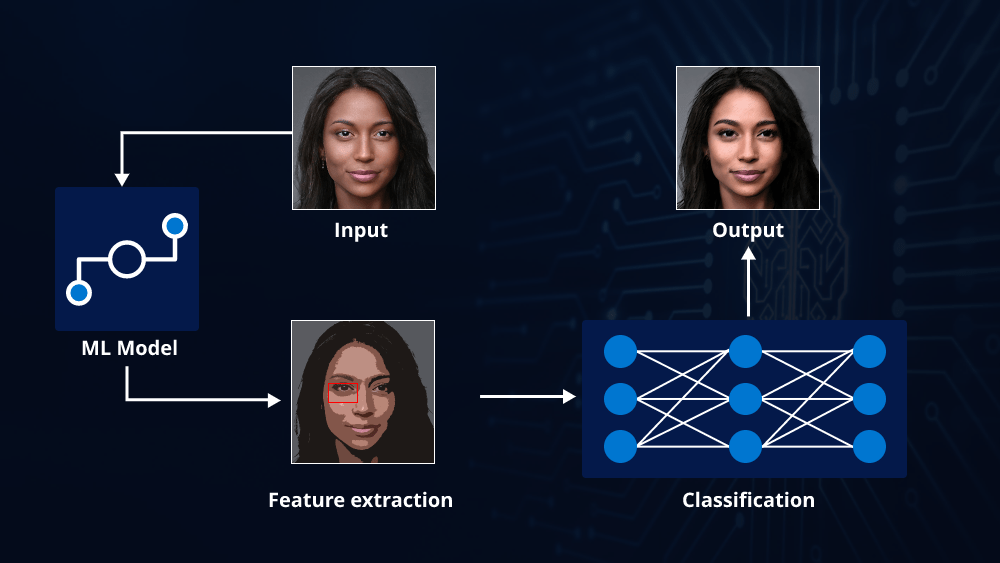
- Define the Problem and Scope:
The first step in building a machine learning app is to clearly define the problem you want to solve and understand the scope of your application. Whether it’s a recommendation system, image recognition, or natural language processing, a well-defined problem will guide your development process. - Data Collection and Preprocessing:
Machine learning models heavily rely on data, so collecting and preprocessing the right dataset is crucial. Ensure that your data is accurate, relevant, and properly labeled for supervised learning tasks. Additionally, clean and preprocess the data to remove any noise or inconsistencies that could negatively impact the model’s performance. - Select the Right Algorithm:
Choosing the appropriate machine learning algorithm is vital for the success of your app. The choice depends on the problem type (classification, regression, clustering, etc.) and the nature of the data. Popular algorithms include Support Vector Machines, Random Forests, Neural Networks, and K-Nearest Neighbors. Experiment with different algorithms to find the one that yields the best results for your specific task. - Develop the App’s Interface:
The user interface is what users interact with, so it must be intuitive and user-friendly. Decide on the platform for your app (web, mobile, desktop) and design an interface that allows users to access the machine learning features seamlessly. Ensure that the app’s design aligns with your target audience’s preferences and provides a smooth user experience. - Implement Machine Learning Model:
Integrate the chosen machine learning algorithm into your app’s architecture. Depending on your expertise, you may write the machine learning code from scratch or leverage popular machine learning libraries such as TensorFlow, PyTorch, or scikit-learn. Train your model on the preprocessed data, fine-tuning hyperparameters for optimal performance. - Real-time Inference:
In a machine learning app, real-time inference is crucial. Users expect fast and accurate results, so optimize your model for quick predictions. Techniques like model quantization and on-device inferencing can significantly improve inference speed, making your app more responsive. - Error Handling and Debugging:
Machine learning models may encounter errors or produce unexpected results. Implement proper error handling and debugging mechanisms to ensure that your app provides meaningful responses to users, even in unforeseen situations. Well-written error messages can prevent user frustration and help improve the app’s reliability. - Ensure Security and Privacy:
When dealing with user data, security and privacy are of utmost importance. Implement data encryption and secure communication protocols to protect sensitive information. Ensure compliance with data protection regulations and obtain user consent for data collection and processing. - Test Rigorously:
Thorough testing is essential to identify and fix any bugs or issues before releasing your app to the public. Conduct unit tests, integration tests, and user testing to validate the app’s functionality, performance, and user experience. Utilize A/B testing to compare different versions and gather user feedback for further improvements. - Deploy and Monitor:
Once your machine learning app has passed all the testing phases, it’s time to deploy it to your target platform. Monitor the app’s performance and user feedback continuously. Use analytics tools to track user behavior and engagement, allowing you to make data-driven decisions for future updates and enhancements.
Conclusion:
Building a machine learning app is an exciting journey that requires careful planning, data handling, algorithm selection, and user-centric design. By following the steps outlined in this article and keeping the user’s needs at the forefront, you can create a successful machine learning app that delights users with its intelligence and functionality. Remember that continuous improvement is key, so listen to user feedback and stay up-to-date with the latest advancements in the field of machine learning to keep your app at the cutting edge.
To Learn More:- https://www.leewayhertz.com/how-to-build-a-machine-learning-app/

 Jasper's Tech world