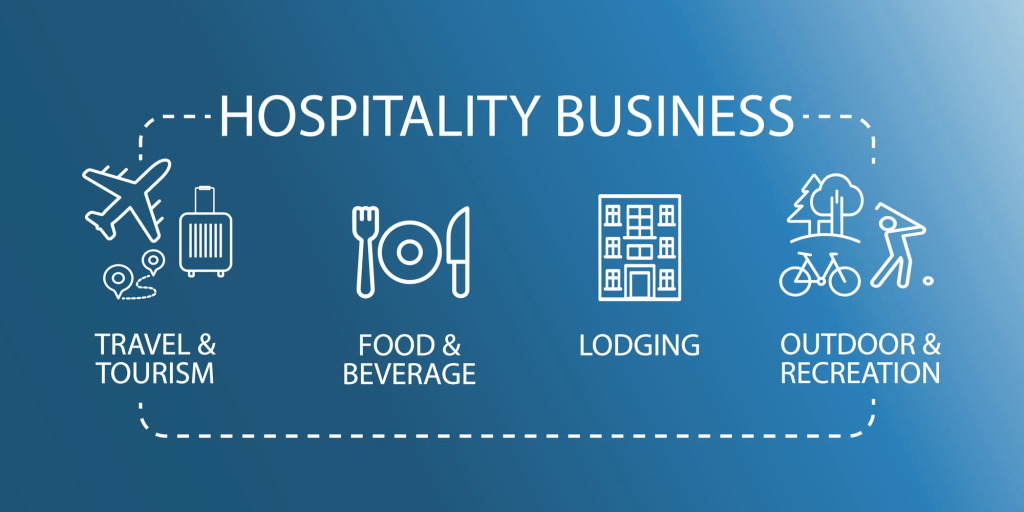
The hospitality industry has always been defined by its commitment to providing exceptional customer service. Guests expect personalized experiences, rapid responses to inquiries, and the convenience of round-the-clock support. In recent years, the integration of AI-powered chatbots, particularly customized ChatGPT applications, has emerged as a game-changer in meeting these expectations. This article explores how customized ChatGPT apps are transforming the landscape of customer service in the hospitality sector.
The Rise of ChatGPT in Hospitality
A Chatbot for Every Guest
The hospitality industry thrives on guest satisfaction. From booking reservations to requesting room service, guests demand prompt and personalized services at their fingertips. This demand has led to the rise of AI-driven chatbots, and ChatGPT is at the forefront of this transformation.
What Makes ChatGPT Unique?
ChatGPT, a language model developed by OpenAI, has gained attention due to its remarkable ability to understand and generate human-like text. Its versatility allows it to adapt to various industries, including hospitality. Customized ChatGPT applications are trained to comprehend hospitality-specific contexts, making them invaluable assets in this sector.
Applications of Customized ChatGPT in Hospitality
1. Virtual Concierge
Personalized Recommendations
Customized ChatGPT apps serve as virtual concierges, providing guests with tailored recommendations based on their preferences. Whether it’s suggesting local restaurants, arranging transportation, or recommending activities, ChatGPT can offer personalized insights.
24/7 Availability
Unlike human concierges, ChatGPT is available 24/7. This ensures that guests receive assistance whenever they need it, even in the middle of the night or during peak check-in times.
2. Booking and Reservation Assistance
Streamlined Booking Process
ChatGPT streamlines the booking process by answering questions, providing availability information, and guiding guests through the reservation process. This reduces friction in the booking journey and boosts conversion rates.
Modification and Cancellation
Guests can also use ChatGPT to make modifications or cancellations to their reservations. The chatbot simplifies the often complex task of altering bookings.
3. Handling Frequently Asked Questions (FAQs)
Efficient FAQ Resolution
Customized ChatGPT applications are trained on an extensive database of FAQs. They can efficiently address common guest inquiries, such as Wi-Fi access, check-out times, and hotel amenities, reducing the workload on the front desk staff.
Multilingual Support
In the global hospitality industry, language barriers can pose a challenge. ChatGPT can provide multilingual support, enhancing the experience for international guests.
4. Room Service and In-Room Requests
Easy Ordering
Guests can use ChatGPT to place orders for room service, request additional amenities, or report maintenance issues. This convenience enhances the overall guest experience and ensures prompt service delivery.
Personalized Menus
ChatGPT can analyze a guest’s dietary preferences and restrictions to recommend suitable menu items, ensuring that guests enjoy their dining experience to the fullest.
Benefits of Customized ChatGPT in Hospitality
1. Enhanced Guest Satisfaction
Personalization at Scale
Customized ChatGPT apps excel at delivering personalized experiences to every guest, irrespective of the size of the establishment. This personal touch enhances guest satisfaction and builds loyalty.
Faster Response Times
AI-powered chatbots like ChatGPT can provide instant responses to guest inquiries, reducing wait times and improving overall satisfaction.
2. Cost Savings
Reduced Staff Workload
By handling routine inquiries and tasks, ChatGPT frees up human staff to focus on more complex and high-value activities, such as resolving unique guest issues or providing specialized services.
24/7 Support
The availability of ChatGPT round the clock means that hotels can provide exceptional service even during non-staffed hours without incurring additional labor costs.
3. Data-Driven Insights
Guest Behavior Analysis
Customized ChatGPT applications can collect data on guest interactions and preferences. Hotels can leverage this data to make data-driven decisions, such as optimizing room service menus or tailoring marketing efforts.
Continuous Improvement
The AI’s ability to learn from every interaction allows the chatbot to continuously improve its responses, ensuring that guests receive increasingly accurate and helpful information.
4. Scalability
Seamless Expansion
As hotel chains grow, ChatGPT can seamlessly scale to accommodate increased guest volume and support more properties without the need for significant infrastructure investment.
Implementing Customized ChatGPT in Hospitality
1. Training and Customization
Hospitality-Specific Training
To make ChatGPT effective in the hospitality industry, it’s crucial to train the model on industry-specific data, including hotel policies, local attractions, and guest preferences.
Brand Alignment
Customized ChatGPT applications should align with the brand’s tone, voice, and values to provide a consistent guest experience.
2. Integration with Existing Systems
Seamless Integration
ChatGPT should integrate with existing hotel systems, including reservation platforms, customer databases, and room service operations, to provide a seamless guest experience.
Data Security
Ensuring the security of guest data is paramount. Robust encryption and data protection measures must be in place to safeguard sensitive information.
3. Continuous Monitoring and Improvement
Regular Updates
ChatGPT’s responses should be regularly reviewed and updated to reflect changes in hotel policies, amenities, and local information.
Guest Feedback
Collecting and analyzing guest feedback on ChatGPT interactions can help identify areas for improvement and fine-tuning.
Ethical Considerations and the Human Touch
While ChatGPT offers numerous benefits, it’s essential to strike a balance between automation and the human touch in hospitality. Some guests may still prefer human interactions for certain inquiries or special requests. Hotels should ensure that guests always have the option to speak with a human staff member when needed.
The Future of Customized ChatGPT in Hospitality
The adoption of customized ChatGPT applications in the hospitality industry is poised to grow rapidly. With advancements in natural language processing and machine learning, these chatbots will become even more sophisticated, offering deeper personalization and higher accuracy in responses.
ChatGPT for Information Technology: Enhancing IT Support and Troubleshooting
In the ever-evolving landscape of Information Technology (IT), the demand for efficient and responsive support is constant. Users and employees rely on IT services to keep their systems running smoothly, and any disruptions can lead to productivity loss. ChatGPT, an AI-driven chatbot powered by OpenAI’s language model, is emerging as a valuable tool in the IT sector, transforming the way IT support and troubleshooting are conducted. This article explores the role of ChatGPT in enhancing IT support and troubleshooting processes.

The IT Support Challenge
The Need for Rapid and Accurate Support
In the digital age, IT issues can be both complex and time-sensitive. Whether it’s a network outage, software glitch, or a forgotten password, users expect quick and precise resolutions to their problems. IT departments often find themselves inundated with requests, which can overwhelm human support staff.
The Evolution of IT Support
Over the years, IT support has undergone significant changes. It has transitioned from traditional call centers to web-based ticketing systems and live chat support. These changes have improved accessibility, but they often struggle to meet the ever-growing demand for support.
ChatGPT: A New Player in IT Support
The Rise of AI-Powered Chatbots
AI-powered chatbots have emerged as a solution to the IT support challenge. These chatbots leverage natural language processing (NLP) and machine learning to understand and respond to user inquiries.
Why ChatGPT Stands Out
ChatGPT, in particular, has gained recognition for its ability to generate human-like text and adapt to various domains. It is a versatile language model that can be customized to understand IT-specific contexts, making it a powerful tool in the IT support arena.
Applications of ChatGPT in IT Support
1. User Assistance
Troubleshooting Guides
ChatGPT can generate troubleshooting guides for common IT issues, providing step-by-step instructions to users. This empowers users to resolve straightforward problems independently.
Software Installation and Configuration
ChatGPT can assist users in installing and configuring software, ensuring they have a smooth onboarding experience.
2. Ticket Resolution
Automated Ticket Handling
ChatGPT can handle a significant portion of incoming support tickets by addressing routine queries and issues. This reduces the workload on human support agents.
Instant Response
ChatGPT provides users with immediate responses, acknowledging their concerns and initiating troubleshooting steps.
3. Knowledge Base Enhancement
Content Generation
ChatGPT can generate content for knowledge bases, ensuring that the latest troubleshooting guides and FAQs are readily available to users.
Continuous Updates
As IT environments change, ChatGPT can be employed to update knowledge base articles to reflect the most current information.
4. Multilingual Support
Global Reach
For multinational organizations, ChatGPT’s multilingual capabilities ensure that IT support is accessible to users around the world.
Eliminating Language Barriers
Language barriers are no longer a hindrance to IT support, as ChatGPT can provide assistance in multiple languages.
Benefits of ChatGPT in IT Support
1. Rapid Response Times
Instant Gratification
ChatGPT provides immediate responses, reducing user frustration and minimizing downtime.
24/7 Availability
Unlike human support agents who require rest, ChatGPT is available around the clock, ensuring uninterrupted support.
2. Cost Efficiency
Reduced Workload
By automating routine tasks and ticket handling, ChatGPT frees up human support agents to focus on more complex issues.
Scalability
ChatGPT can handle a growing volume of support requests without the need for additional hiring, making it a cost-effective solution.
3. Consistency
Standardized Responses
ChatGPT provides consistent responses, ensuring that users receive the same level of support regardless of the time of day or agent availability.
Knowledge Sharing
ChatGPT can disseminate knowledge and best practices consistently across the IT department.
4. Data-Driven Insights
Issue Identification
ChatGPT can collect data on common IT issues, helping organizations identify recurring problems and implement proactive solutions.
User Feedback
Analyzing user interactions with ChatGPT can provide valuable insights into user needs and areas for improvement in IT services.
Implementing ChatGPT in IT Support
1. Customization
IT-Specific Training
To make ChatGPT effective in IT support, it should be trained on IT-specific data, including troubleshooting procedures, software documentation, and company policies.
Integration with IT Systems
ChatGPT should seamlessly integrate with existing IT systems, including ticketing platforms and knowledge bases, to ensure a unified support experience.
2. Human Oversight
Monitoring ChatGPT Interactions
Human oversight is essential to review and refine ChatGPT responses to ensure accuracy and appropriateness.
Escalation Protocols
Organizations should establish clear protocols for escalating issues from ChatGPT to human support agents when necessary.
3. Security and Compliance
Data Protection
Organizations must prioritize data protection and privacy when implementing ChatGPT in IT support to safeguard sensitive information.
Compliance with Regulations
Ensure that the use of ChatGPT in IT support complies with industry regulations and standards, especially in sectors with stringent data protection requirements.
Challenges and Ethical Considerations
Handling Complex Issues
While ChatGPT is excellent at addressing routine inquiries, it may struggle with highly complex IT problems that require deep technical expertise.
Bias and Fairness
Organizations must be vigilant in training ChatGPT to avoid perpetuating biases, particularly when addressing issues related to diversity and inclusion.
Transparency
Users should be informed when they are interacting with ChatGPT, ensuring transparency in the support process.
The Future of ChatGPT in IT Support
As AI and natural language processing technologies continue to advance, ChatGPT’s capabilities will become even more refined. The future holds the potential for ChatGPT to assist in even more complex IT troubleshooting, seamlessly integrate with other AI-driven solutions, and provide proactive support through predictive analytics.
ChatGPT for Finance: Streamlining Customer Interactions in Financial Services
The financial services industry is no stranger to the rapid advancement of technology. As customer expectations continue to evolve, so does the need for innovative solutions that enhance customer interactions. ChatGPT, powered by OpenAI’s advanced language model, is making waves in the world of finance by revolutionizing customer service and support. This article delves into the role of ChatGPT in streamlining customer interactions within the financial sector.

The Changing Landscape of Financial Services
The Age of Digital Banking
The rise of digital banking, online investment platforms, and fintech startups has ushered in a new era in financial services. Customers now expect seamless, round-the-clock support and personalized advice in real-time.
The Importance of Customer Interactions
Customer interactions are at the heart of the financial industry. Whether it’s addressing inquiries about account balances, helping with investment decisions, or resolving issues related to transactions, effective customer service is vital for building trust and loyalty.
ChatGPT: The Financial Industry’s Game Changer
AI-Powered Chatbots in Finance
AI-driven chatbots have found their footing in the finance sector, with institutions leveraging natural language processing and machine learning to automate customer interactions. ChatGPT, with its ability to generate human-like text, has emerged as a preferred choice for many financial organizations.
The Unique Attributes of ChatGPT
ChatGPT’s adaptability and customization capabilities set it apart. Financial institutions can train ChatGPT to understand complex financial queries, making it a versatile tool for improving customer interactions.
Applications of ChatGPT in Financial Services
1. Automated Customer Support
Addressing Frequently Asked Questions (FAQs)
ChatGPT can handle common customer inquiries, such as queries about account balances, transaction histories, and account statements. This frees up human customer service representatives to tackle more complex issues.
Assistance with Account Management
Customers can use ChatGPT to perform routine account management tasks, such as updating contact information, setting up automatic transfers, and managing notifications.
2. Investment and Portfolio Guidance
Personalized Investment Advice
ChatGPT can provide customers with personalized investment advice based on their risk tolerance, financial goals, and market conditions. This empowers customers to make informed decisions.
Portfolio Monitoring
Customers can receive real-time updates on their investment portfolios, including performance metrics and alerts for market fluctuations.
3. Fraud Detection and Security
Real-Time Alerts
ChatGPT can alert customers to potential fraudulent activities in their accounts, such as suspicious transactions or login attempts from unfamiliar locations.
Password Resets and Security Information
Assistance with password resets and providing security information to customers enhances account security.
4. Loan and Mortgage Assistance
Loan Eligibility Assessment
ChatGPT can assist customers in assessing their eligibility for loans or mortgages by collecting necessary financial information and providing preliminary recommendations.
Loan Application Progress Tracking
Customers can inquire about the status of their loan or mortgage applications and receive real-time updates.
Benefits of ChatGPT in Financial Services
1. Enhanced Customer Experience
Personalization at Scale
ChatGPT enables financial institutions to provide personalized recommendations and solutions to a large customer base, fostering a more engaging and satisfying customer experience.
24/7 Availability
With ChatGPT, customers can access support and information at any time, reducing wait times and ensuring that urgent matters are addressed promptly.
2. Cost Savings
Workload Reduction
By automating routine inquiries and tasks, ChatGPT reduces the workload on human customer service representatives, allowing them to focus on more complex issues.
Scalability
Financial institutions can easily scale ChatGPT to accommodate a growing customer base without significant staffing increases.
3. Data-Driven Insights
Customer Behavior Analysis
ChatGPT can collect data on customer interactions, helping financial institutions gain valuable insights into customer preferences and pain points.
Compliance and Reporting
Financial institutions can use ChatGPT to assist with compliance-related inquiries and generate reports on customer interactions.
4. Brand Consistency
Standardized Responses
ChatGPT ensures that customers receive consistent and accurate responses, maintaining brand integrity and trust.
Multilingual Support
In the global financial landscape, ChatGPT’s multilingual capabilities cater to diverse customer bases, eliminating language barriers.
Implementing ChatGPT in Financial Services
1. Customization and Training
Financial Domain Training
To make ChatGPT effective in the finance sector, it should undergo training specific to financial topics, regulations, and terminology.
Integration with Existing Systems
ChatGPT should seamlessly integrate with existing banking and customer relationship management systems to provide a unified customer experience.
2. Compliance and Security
Data Protection
Financial institutions must ensure that ChatGPT complies with data protection regulations, especially in highly regulated environments.
Security Protocols
Implement robust security measures to safeguard customer data and prevent unauthorized access to accounts.
3. Continuous Improvement
Feedback Mechanisms
Establish feedback mechanisms to gather input from customers and employees, enabling continuous improvement of ChatGPT’s responses and capabilities.
Regular Updates
Keep ChatGPT’s knowledge base up-to-date with the latest financial products, services, and regulatory changes.
Ethical Considerations and the Human Touch
While ChatGPT offers numerous advantages in financial services, it’s essential to strike a balance between automation and the human touch. Some customers may prefer human interactions for sensitive or complex financial matters. Financial institutions should ensure that customers have the option to speak with a human representative when needed.
The Future of ChatGPT in Financial Services
As AI and natural language processing technologies continue to advance, ChatGPT’s role in financial services will expand. It holds the potential to offer even more sophisticated investment advice, improve fraud detection capabilities, and provide seamless integration with other financial tools and platforms.
ChatGPT for Human Resources: Shaping the Future of HR Services
Human Resources (HR) plays a pivotal role in shaping an organization’s culture, talent acquisition, and employee engagement. In recent years, HR departments have turned to AI-driven solutions to streamline their processes and enhance their services. ChatGPT, powered by OpenAI’s language model, is emerging as a transformative tool in HR, revolutionizing various aspects of HR services. This article explores how ChatGPT is reshaping the future of HR services.

The Evolving Landscape of Human Resources
The HR Transformation Journey
HR has evolved from being primarily administrative to becoming a strategic partner within organizations. Modern HR departments are focused on talent development, employee well-being, diversity and inclusion, and data-driven decision-making.
The Digital HR Era
The digital age has ushered in the era of digital HR, characterized by the use of technology to streamline HR processes, improve employee experiences, and enhance talent management.
ChatGPT: A Game Changer in HR
AI-Powered Chatbots in HR
AI-powered chatbots have gained popularity in HR for their ability to handle routine inquiries, automate tasks, and provide consistent support. Among these, ChatGPT stands out due to its advanced natural language understanding capabilities.
Customization and Flexibility
ChatGPT’s adaptability and customization make it well-suited for HR. It can be trained to understand HR-specific terminology, policies, and procedures, making it a valuable tool for HR professionals.
Applications of ChatGPT in HR
1. Employee Onboarding
Welcome and Guidance
ChatGPT can welcome new employees, guide them through the onboarding process, and answer questions related to company policies, benefits, and procedures.
Document Management
It can assist in document management by providing information on required forms, deadlines, and submission instructions.
2. Employee Self-Service
Access to Information
Employees can use ChatGPT to access information about their pay, benefits, leave balances, and other HR-related queries without having to contact HR personnel.
Leave Requests
ChatGPT can handle leave requests, ensuring that employees receive timely responses and HR departments can efficiently manage leave balances.
3. Learning and Development
Training Recommendations
ChatGPT can recommend training courses and development opportunities based on an employee’s career goals and performance.
Training Material Access
Employees can use ChatGPT to access training materials, videos, and resources, facilitating self-paced learning.
4. Employee Feedback and Surveys
Gathering Feedback
ChatGPT can facilitate the collection of employee feedback through surveys and polls, helping HR departments assess employee satisfaction and engagement.
Survey Analysis
It can analyze survey responses and provide HR with insights to make data-driven decisions on employee engagement strategies.
Benefits of ChatGPT in HR
1. Improved Employee Experience
Accessibility
ChatGPT ensures that employees have easy access to HR information and services, enhancing their overall experience within the organization.
Timely Responses
Employees receive timely responses to their inquiries, reducing frustration and improving engagement.
2. Efficiency and Cost Savings
Task Automation
ChatGPT automates routine HR tasks, such as answering FAQs and processing leave requests, reducing the administrative burden on HR personnel.
Scalability
HR departments can scale their operations efficiently, handling a larger workforce without proportionally increasing HR staff.
3. Data-Driven Insights
Employee Feedback
ChatGPT can collect and analyze employee feedback, providing HR departments with valuable insights to enhance the workplace.
Performance Metrics
HR can use ChatGPT to track key performance metrics, enabling data-driven decisions on talent management.
4. Consistency and Compliance
Standardized Responses
ChatGPT ensures that employees receive consistent and accurate responses to HR-related inquiries, maintaining compliance with company policies and regulations.
Regulatory Compliance
HR departments can use ChatGPT to assist with compliance-related tasks, such as generating reports or disseminating compliance information to employees.
Implementing ChatGPT in HR
1. Customization and Training
HR-Specific Training
To maximize the effectiveness of ChatGPT in HR, it should undergo training specific to HR policies, procedures, and terminologies.
Integration with HR Systems
ChatGPT should seamlessly integrate with existing HR systems, including HR management software and employee databases, to provide a unified HR experience.
2. Data Security and Privacy
Data Protection
HR departments must prioritize data protection and privacy when implementing ChatGPT to safeguard sensitive employee information.
Compliance with Regulations
Ensure that the use of ChatGPT in HR complies with data protection regulations and employment laws.
3. Human Oversight
Monitoring ChatGPT Interactions
Human oversight is crucial to review and refine ChatGPT responses to ensure accuracy and appropriateness, especially for sensitive HR matters.
Escalation Protocols
Establish clear protocols for escalating complex HR issues from ChatGPT to HR personnel when necessary.
Ethical Considerations and the Human Touch
While ChatGPT offers numerous benefits in HR, it’s essential to strike a balance between automation and the human touch. Some HR matters, such as employee relations and sensitive personal issues, require a compassionate and empathetic human touch. HR departments should ensure that employees always have the option to speak with a human HR representative when needed.
The Future of ChatGPT in HR
As AI technology continues to advance, ChatGPT’s role in HR will expand. It holds the potential to provide even more sophisticated talent management recommendations, improve employee engagement strategies, and integrate seamlessly with other HR technologies.
Synergy in Customized ChatGPT Apps: Bridging Hospitality, IT, Finance, and HR
In today’s interconnected world, businesses are constantly seeking ways to enhance efficiency and provide seamless experiences to customers and employees alike. Customized ChatGPT applications have emerged as versatile tools that can be deployed across multiple industries to streamline operations and improve user interactions. This article explores the concept of synergy in customized ChatGPT apps, demonstrating how they can bridge the gap between four diverse industries: Hospitality, Information Technology (IT), Finance, and Human Resources (HR).
The Role of Customized ChatGPT Apps
Customization for Industry-Specific Needs
Customized ChatGPT applications are tailored to meet the specific requirements of different industries. Through extensive training and adaptation, they can understand industry-specific jargon, regulations, and customer expectations. This customization makes them valuable assets in various sectors.
The Power of Synergy
Interconnectivity and Cross-Industry Integration
Synergy in customized ChatGPT apps refers to the ability to integrate and share knowledge seamlessly across different industries. By breaking down silos and fostering collaboration, these apps can offer a unified user experience and solve complex problems that transcend individual sectors.
Bridging Hospitality, IT, Finance, and HR
Let’s explore how customized ChatGPT apps can be leveraged in each of these industries and, more importantly, how they can work together to create a more interconnected and efficient future.
Hospitality
Personalized Guest Experiences
Customized ChatGPT apps in the hospitality sector serve as virtual concierges, providing guests with tailored recommendations, 24/7 assistance, and quick responses to inquiries. They enhance guest satisfaction by offering personalized services and are available to address requests at any time, ensuring an exceptional guest experience.
Information Technology (IT)
IT Troubleshooting and Support
In IT, customized ChatGPT applications streamline support and troubleshooting processes. They can offer step-by-step solutions for common tech issues, guide users through software installations, and assist with password resets. This reduces the workload on IT helpdesk staff and provides prompt assistance to users, enhancing overall efficiency.
Finance
Enhanced Customer Interactions
In the finance industry, customized ChatGPT apps revolutionize customer interactions. They provide personalized financial advice, streamline customer support, and assist with tasks such as transaction inquiries and fraud detection. These apps not only improve customer experiences but also offer cost-effective solutions for financial institutions.
Human Resources (HR)
Efficient HR Services
In HR, customized ChatGPT applications optimize processes such as onboarding, employee self-service, and training recommendations. They can assist new hires during onboarding, answer employee inquiries about benefits, and recommend relevant training opportunities. By automating routine HR tasks, they free up HR personnel to focus on strategic initiatives.
Synergy Across Industries
The real power of customized ChatGPT apps lies in their ability to collaborate and share knowledge across industries. Here’s how they can work together to create a more interconnected and efficient future:
Unified User Experience
Imagine a scenario where a guest at a hotel has a technical issue with their room’s smart device. The hotel’s ChatGPT app can seamlessly connect with the IT ChatGPT app to diagnose and resolve the problem. This integration ensures that the guest’s issue is resolved swiftly and efficiently.
Cross-Industry Knowledge Sharing
A hotel’s HR department can collaborate with the finance sector to develop financial wellness programs for employees. ChatGPT apps from both industries can exchange information and recommendations, creating a holistic approach to employee well-being.
Data-Driven Insights
By sharing anonymized and aggregated data across industries, businesses can gain valuable insights into customer preferences and trends. For instance, HR departments can use data from the hospitality sector to better understand employee preferences for work-related travel and accommodation.
Consistency in Customer Service
When customers interact with businesses across multiple sectors, they expect a consistent level of service. Customized ChatGPT apps ensure that customer inquiries and issues are addressed with uniformity, regardless of the industry they pertain to.
Implementing Synergy in Customized ChatGPT Apps
Interoperability
To achieve synergy, customized ChatGPT apps must be designed to be interoperable, allowing them to communicate and share information seamlessly. This involves creating standardized protocols and APIs that facilitate cross-industry integration.
Data Security and Privacy
As customized ChatGPT apps exchange data across industries, data security and privacy become paramount. Robust encryption and data protection measures must be in place to safeguard sensitive information and comply with data protection regulations.
Ethical Considerations
Synergy in customized ChatGPT apps should be guided by ethical considerations. Transparency in data sharing, consent mechanisms, and ensuring that the privacy of individuals is respected are essential principles to uphold.
Challenges and Opportunities
Challenges
- Data Silos: Overcoming data silos and ensuring that data is accessible and usable across industries can be a significant challenge.
- Data Privacy: Balancing the need for data sharing with stringent data privacy regulations requires careful planning and compliance.
- Integration Complexity: The technical challenges of integrating different systems and ensuring seamless communication between customized ChatGPT apps can be complex.
Opportunities
- Improved Efficiency: Synergy in customized ChatGPT apps can lead to increased operational efficiency, reduced costs, and faster problem resolution.
- Enhanced User Experience: A unified user experience across industries can lead to higher customer satisfaction and loyalty.
- Innovation: Collaborative knowledge sharing can lead to innovative solutions that benefit all industries involved.
The Future of Synergy in Customized ChatGPT Apps
As technology continues to advance, the potential for synergy in customized ChatGPT apps will only grow. Here’s what the future holds:
- Cross-Industry Platforms: We may see the emergence of cross-industry platforms that facilitate the seamless exchange of information and services.
- AI Advancements: Ongoing advancements in AI, including natural language processing, will enable even more sophisticated collaboration between customized ChatGPT apps.
- Industry Ecosystems: Businesses may form industry ecosystems where customized ChatGPT apps play a central role in knowledge sharing and problem-solving.
Conclusion
In this interconnected series of articles, we’ve explored the transformative potential of Customized ChatGPT applications across diverse industries. From revolutionizing guest experiences in hospitality to enhancing IT support, streamlining financial services, and optimizing HR processes, ChatGPT proves its versatility. The synergy between these sectors highlights the seamless sharing of knowledge and solutions, promising a future where AI-driven customization empowers businesses to provide exceptional services and experiences. Together, these articles illuminate the path towards a more interconnected, efficient, and customer-centric world.

 Jasper's Tech world