Owner at Wilderness Market which is a vegan wellbeing food store situated in the core of the Georgetown, District of Columbia. and also an advisor of best Software development agencies to select for application designed on the basis on unique requirements.
Artificial Intelligence (AI) has become a cornerstone of technological innovation, reshaping industries and redefining the way businesses operate. At the heart of this transformation are AI development companies, specialized entities that bring AI concepts to life through cutting-edge solutions and expertise. In this comprehensive article, we delve into the intricacies of AI development companies, exploring their roles, key services, industry impact, and the factors that distinguish the leaders in this dynamic field.
Understanding AI Development Companies
AI development companies are organizations dedicated to the creation, implementation, and advancement of AI-driven solutions. These companies assemble teams of skilled professionals, including AI developers, data scientists, machine learning engineers, and software programmers. Their collaborative efforts are directed towards designing, building, and deploying applications infused with AI capabilities.
Key Services Offered by AI Development Companies
AI Strategy and Consulting: AI development companies assist businesses in formulating a strategic approach to AI integration. This involves aligning AI objectives with overall business goals, selecting appropriate technology stacks, and developing a roadmap for successful AI implementation.
Custom AI Model Development: Companies in this space specialize in designing, developing, and training custom AI models tailored to address specific business challenges. These models can encompass a wide range of applications, including predictive analytics, recommendation engines, natural language processing, and computer vision.
Data Analysis and Insights: Leveraging the power of AI, these companies extract valuable insights from large datasets. This data-driven approach enables informed decision-making, facilitates personalized user experiences, and enhances overall business intelligence.
Integration and Deployment: AI development companies ensure the seamless integration of AI-powered features into existing applications, websites, or systems. This involves making sure that AI functionalities work harmoniously within the client’s technological infrastructure.
Continuous Improvement and Maintenance: Providing ongoing support, maintenance, and updates to AI-powered applications, these companies ensure the efficiency and adaptability of AI solutions as user needs evolve and technology advances.
AI Development Companies: Industry Impact
The impact of AI development companies is profound, spanning across various industries and revolutionizing traditional business processes. Here are some key areas where these companies make a significant difference:
Healthcare: AI development companies contribute to the healthcare sector by developing applications that assist in medical diagnoses, monitor patient health, and streamline administrative tasks for healthcare providers. AI’s ability to analyze vast datasets enhances diagnostic accuracy and treatment planning.
Retail and E-commerce: In the retail industry, AI-powered applications offer personalized product recommendations, optimize pricing strategies, and improve the overall shopping experience for customers. Chatbots and virtual assistants powered by AI enhance customer engagement and support.
Finance: AI applications in finance aid in fraud detection, automate routine tasks, and provide investment recommendations. Chatbots equipped with natural language processing capabilities handle customer inquiries efficiently, contributing to improved customer service in the financial sector.
Manufacturing: AI-driven applications in manufacturing optimize processes by reducing downtime, enhancing quality control, and optimizing supply chain management. Predictive maintenance powered by AI helps prevent equipment failures, minimizing production disruptions.
Transportation: AI plays a crucial role in the transportation sector, offering solutions for predictive maintenance of vehicles, optimizing route planning, and facilitating autonomous vehicle control. These applications contribute to increased efficiency and safety in transportation systems.
Education: AI development companies contribute to the education sector by developing applications that support personalized learning experiences, automate administrative tasks for educators, and provide tutoring and language learning assistance.
Entertainment: In the entertainment industry, AI is utilized for content recommendation, personalized user experiences, and even in the creation of AI-generated content. This enhances user engagement and satisfaction in digital entertainment platforms.
Factors Distinguishing Leading AI Development Companies
Several factors set leading AI development companies apart from the competition. Here are key considerations that contribute to their success:
Expertise and Talent: Leading companies have a team of highly skilled professionals with expertise in AI development, data science, machine learning, and related fields. Their talent pool enables them to tackle complex challenges and deliver innovative solutions.
Innovation and Research: Top AI development companies are committed to continuous innovation and staying at the forefront of AI research. They invest in R&D to explore emerging technologies and integrate the latest advancements into their solutions.
Client-Centric Approach: Distinguished companies prioritize understanding the specific needs and goals of their clients. A client-centric approach ensures that AI solutions are tailored to meet the unique requirements of each business.
Proven Track Record: Leading AI development companies have a track record of successful AI implementations and satisfied clients. Case studies, testimonials, and previous projects showcase their capabilities and reliability.
Ethical AI Practices: With increasing concerns about the ethical implications of AI, top companies prioritize ethical AI practices. They ensure transparency, fairness, and accountability in their AI solutions, addressing ethical considerations in AI development.
Scalability and Adaptability: The ability to scale AI solutions and adapt them to evolving business needs is crucial. Leading companies design solutions with scalability in mind, allowing businesses to grow alongside their expanding AI requirements.
Conclusion
AI development companies play a pivotal role in driving innovation and reshaping industries across the globe. Their expertise, commitment to excellence, and ability to navigate the complexities of AI integration make them essential partners for businesses seeking to unlock the full potential of artificial intelligence. As AI technologies continue to advance, these companies will remain at the forefront of transformative applications, driving the evolution of the digital landscape and contributing to a future where intelligent technologies play an increasingly central role in our daily lives.
In the rapidly evolving landscape of technology, Artificial Intelligence (AI) has emerged as a transformative force, revolutionizing the way businesses operate and engage with their customers. AI development services are at the forefront of this revolution, providing organizations with the tools and expertise they need to harness the potential of AI. In this article, we will delve into the world of AI development services, exploring their significance, applications, and the impact they have on various industries.
Understanding AI Development Services
AI development services encompass a wide range of activities aimed at creating, implementing, and maintaining AI-driven solutions. These services are offered by specialized companies, often staffed with data scientists, machine learning engineers, software developers, and domain experts who work together to design, build, and deploy AI systems tailored to the specific needs of their clients.
The following are key components of AI development services:
Data Collection and Preparation: AI development services involve the collection of relevant data from various sources, including structured and unstructured data. Preprocessing, cleaning, and transforming data into a usable format is a crucial step in AI development.
Machine Learning Model Development: This involves the creation of machine learning models and algorithms that can analyze data, make predictions, or automate tasks. These models can include supervised learning, unsupervised learning, and reinforcement learning, depending on the problem at hand.
Model Training and Evaluation: Once models are developed, they need to be trained on historical data and evaluated for their accuracy and performance. This step may require iterations and fine-tuning to achieve the desired outcomes.
Deployment: After a successful model is developed and tested, it needs to be deployed within the client’s infrastructure. This could be on the cloud, edge devices, or in a hybrid setup.
Integration with Business Processes: Integrating AI solutions with existing business processes is essential to ensure that they deliver value to the organization. This step may involve creating APIs, dashboards, and user interfaces for seamless interaction.
Maintenance and Support: AI models require ongoing maintenance and support to ensure they continue to perform optimally. This involves monitoring for model drift, updating data, and improving the model as needed.
The significance of AI development services can be understood from various angles, each shedding light on the transformative impact they have on businesses and industries.
Enhanced Decision-Making: AI development services enable organizations to make data-driven decisions by providing insights, predictions, and recommendations based on large datasets. This leads to more informed and accurate decision-making, reducing the reliance on intuition or gut feeling.
Improved Efficiency: AI solutions developed through these services can automate repetitive tasks, optimize workflows, and increase overall operational efficiency. This not only saves time and resources but also reduces the chances of human error.
Personalization and Customer Experience: AI development services empower businesses to create personalized customer experiences. By analyzing customer data and behavior, AI can recommend products, tailor content, and provide a higher level of customer engagement.
Predictive Maintenance: In industries like manufacturing and transportation, AI development services help in predictive maintenance. AI models can analyze sensor data to predict when equipment will fail, allowing for proactive maintenance and reducing downtime.
Fraud Detection and Security: AI development services play a critical role in enhancing security by detecting fraudulent activities in real-time. This is especially important in the financial and e-commerce sectors, where fraud can have significant financial repercussions.
Healthcare Advancements: AI development services are driving innovations in healthcare, from diagnostic tools to drug discovery. AI can analyze medical images, identify anomalies, and assist in early disease detection.
Sustainable Solutions: AI can help businesses reduce their environmental impact by optimizing energy consumption, reducing waste, and improving supply chain efficiency. This is crucial in the context of sustainability and corporate social responsibility.
Applications of AI Development Services
AI development services find applications across various industries, demonstrating their versatility and adaptability. Here are some notable examples:
Healthcare: AI is used in medical image analysis, predictive analytics for patient outcomes, drug discovery, and telemedicine applications. AI development services in healthcare can lead to faster diagnoses and improved patient care.
Retail and E-commerce: AI powers recommendation engines, demand forecasting, inventory management, and chatbots for customer support. This enhances the customer shopping experience and boosts sales.
Finance: AI development services are essential in fraud detection, algorithmic trading, risk assessment, and customer service. AI-driven financial models improve decision-making and reduce financial risks.
Manufacturing: AI is used for predictive maintenance, quality control, and supply chain optimization. AI development services in manufacturing enhance productivity and reduce operational costs.
Transportation: In the transportation sector, AI is applied to autonomous vehicles, route optimization, and traffic management. AI development services in this field have the potential to revolutionize the way people and goods move.
Agriculture: AI-driven precision agriculture solutions help farmers optimize crop yields, reduce resource wastage, and monitor soil conditions. This contributes to sustainable and efficient farming practices.
Energy: AI development services play a crucial role in optimizing energy production, distribution, and consumption. Smart grids, demand forecasting, and energy-efficient systems are just a few examples of AI applications in the energy sector.
Education: AI is utilized for personalized learning, adaptive assessments, and administrative tasks in the education sector. AI development services in education aim to enhance the learning experience and improve educational outcomes.
Customer Service: AI-powered chatbots and virtual assistants provide 24/7 customer support, improving response times and customer satisfaction. These services help organizations streamline their customer interactions.
Government and Public Services: AI development services can be applied to optimize public services, such as traffic management, healthcare, and public safety. AI-driven solutions improve the efficiency of government operations.
Industry-Specific Challenges and Opportunities
While the potential of AI development services is vast, different industries face unique challenges and opportunities when integrating AI into their operations.
Healthcare:
Challenges: Data privacy, regulatory compliance, and ethical considerations are crucial in the healthcare sector. Ensuring the security and confidentiality of patient data is a top priority.
Opportunities: AI can lead to faster and more accurate diagnoses, improved patient care, and the discovery of new treatments and drugs.
Finance:
Challenges: Financial regulations and the need for explainable AI models can be challenging. Ensuring that AI systems are transparent and compliant with financial regulations is a must.
Opportunities: AI can help financial institutions detect fraud, make better investment decisions, and enhance customer experiences through personalized financial services.
Manufacturing:
Challenges: Integrating AI into existing manufacturing processes may require substantial investments in infrastructure and workforce training.
Opportunities: AI can optimize production efficiency, reduce maintenance costs, and enhance product quality.
Transportation:
Challenges: Autonomous vehicles face technical, legal, and ethical challenges, including liability and safety concerns.
Opportunities: AI-driven transportation solutions have the potential to reduce accidents, traffic congestion, and fuel consumption.
Agriculture:
Challenges: Adoption of AI in agriculture may require investment in technology and training for farmers.
Opportunities: AI can lead to increased crop yields, reduced environmental impact, and more sustainable farming practices.
Energy:
Challenges: The energy sector faces the challenge of integrating AI into legacy systems and ensuring the security of critical infrastructure.
Opportunities: AI can optimize energy production
, reduce costs, and contribute to a more sustainable energy ecosystem.
Education:
Challenges: Ensuring equitable access to AI-driven educational tools and addressing concerns about data privacy and student well-being are key challenges in the education sector.
Opportunities: AI can create personalized learning experiences, assess student progress more effectively, and enhance the quality of education.
Customer Service:
Challenges: Building and training AI-driven chatbots and virtual assistants to provide effective customer support requires ongoing refinement and improvement.
Opportunities: AI-driven customer service solutions can reduce response times, enhance user experiences, and lower support costs.
Government and Public Services:
Challenges: Integrating AI into public services requires transparency, accountability, and the responsible use of AI technology.
Opportunities: AI can lead to more efficient and responsive government services, improving the lives of citizens.
The Future of AI Development Services
The future of AI development services holds immense promise, with several trends and developments shaping the landscape:
Explainable AI (XAI): As AI becomes more prevalent, the demand for transparency and interpretability is growing. Explainable AI is an area of research and development that focuses on making AI models more understandable and accountable. This is especially crucial in industries where decision-making must be justifiable and transparent.
AI Automation: AI development services themselves are not immune to the automation wave. AI tools and platforms that assist in developing AI models are emerging, simplifying the process for businesses and reducing the need for extensive manual coding and data preprocessing.
Edge AI: The deployment of AI models directly on edge devices, such as smartphones, IoT devices, and embedded systems, is gaining traction. Edge AI offers real-time processing and greater privacy by keeping data locally, reducing the need for constant cloud connectivity.
AI Ethics and Regulation: The ethical use of AI and the need for regulation are becoming more pronounced. Governments and organizations are working on frameworks and guidelines to ensure responsible AI development and deployment, including issues related to bias, fairness, and accountability.
AI in Small and Medium Enterprises (SMEs): As AI becomes more accessible and affordable, small and medium-sized enterprises are increasingly adopting AI development services to stay competitive and innovate.
Cross-Industry Collaborations: Many AI solutions transcend industry boundaries. Collaborations between businesses from different sectors are likely to increase, leading to the development of more versatile and comprehensive AI solutions.
Customization and Niche Solutions: AI development services will continue to provide customized solutions tailored to the specific needs of businesses. Niche AI solutions for specific industries or use cases are also expected to grow.
Conclusion
AI development services have emerged as a cornerstone of digital transformation, impacting a wide range of industries and enabling businesses to enhance decision-making, efficiency, and customer experiences. These services offer a bridge between AI’s potential and practical implementation, facilitating the development, deployment, and maintenance of AI solutions.
While challenges persist, including ethical concerns, regulation, and the need for transparency, the trajectory of AI development services remains promising. As AI becomes more integrated into daily operations across industries, the future holds a plethora of opportunities for innovation, automation, and improved services.
To stay competitive and relevant in the digital age, businesses should consider embracing AI development services as a means to unlock the transformative power of artificial intelligence. As the technology continues to evolve, it is clear that AI development services will play an increasingly critical role in shaping the future of business and industry.
In the ever-evolving landscape of artificial intelligence, Decision Transformer Models have emerged as a groundbreaking technology that promises to redefine how machines make decisions. These models, inspired by their sibling, the Transformer model, bring a new level of sophistication and precision to decision-making tasks, spanning from natural language processing to autonomous systems. In this article, we will delve into the world of Decision Transformer Models, exploring their architecture, applications, and the transformative impact they are having on various industries.
Understanding the Decision Transformer Model
Decision Transformer Models, or DTM for short, are an evolution of the Transformer architecture, which has revolutionized the field of deep learning, especially in natural language understanding and generation. The Transformer architecture introduced the self-attention mechanism, allowing models to process and understand sequences of data effectively. Decision Transformers take this a step further by enhancing the architecture with decision-making capabilities.
At the core of Decision Transformer Models lies the capacity to take sequences of information and generate decisions based on them. These decisions can be binary choices, multi-class classifications, or even more complex actions in autonomous systems. The ability to process information and decide on the most appropriate course of action enables DTM to excel in a wide range of applications.
Applications of Decision Transformer Models
Natural Language Processing
One of the most notable applications of Decision Transformer Models is in the field of natural language processing (NLP). These models can analyze vast amounts of text data, understand context, and make decisions based on the information provided. For instance, in sentiment analysis, a Decision Transformer can determine whether a given piece of text conveys a positive or negative sentiment, which is valuable for businesses seeking to gauge customer feedback or review sentiment.
Autonomous Systems
Decision Transformer Models also play a pivotal role in autonomous systems, such as self-driving cars and drones. They can process sensor data, environmental cues, and historical information to make real-time decisions about navigation, obstacle avoidance, and even complex tasks like route planning.
In the context of self-driving cars, a Decision Transformer might consider factors like traffic conditions, weather, and the vehicle’s speed to make critical decisions, ensuring the safety of passengers and pedestrians.
Healthcare
In the healthcare industry, Decision Transformers are employed for diagnostic and treatment decision support. These models can analyze patient data, medical records, and the latest research to assist healthcare professionals in making informed decisions about patient care. For instance, they can help in the early detection of diseases by processing medical images and identifying anomalies.
Financial Services
Decision Transformer Models have also found a home in the world of finance. They are used to analyze market data, assess risk, and make investment decisions. These models can factor in a multitude of variables, such as economic indicators, geopolitical events, and market sentiment, to make investment recommendations that are both data-driven and dynamic.
Architectural Insights
Decision Transformers inherit much of the architecture from their predecessor, the Transformer model. They consist of layers of multi-head self-attention mechanisms, feedforward neural networks, and positional encodings. However, the distinctive feature of Decision Transformers lies in their ability to incorporate decision heads.
A decision head in a DTM is a module that processes the information from the self-attention layers and generates decisions. The decision head can be tailored to the specific task at hand. For instance, in a language translation task, the decision head might decide on the most appropriate translation of a sentence, while in a medical diagnosis task, it could determine the most likely diagnosis based on patient data.
The multi-head attention mechanism in Decision Transformers allows them to capture dependencies and relationships within the input data efficiently. This feature makes them particularly adept at tasks that involve understanding context and making decisions based on it.
The Transformative Impact
Decision Transformer Models are rapidly transforming industries by offering more sophisticated and context-aware decision-making capabilities. These models are enabling machines to interact with humans more intelligently and autonomously. This evolution has numerous practical benefits, such as:
Improved Accuracy
The ability to consider a broader context and relationships within the data leads to improved decision accuracy. Whether it’s in diagnosing diseases or recommending personalized content, Decision Transformers excel in delivering precise and relevant outcomes.
Enhanced Autonomy
Autonomous systems, powered by Decision Transformers, are becoming more independent and capable of handling complex tasks without human intervention. This is a significant advancement in fields like autonomous vehicles, robotics, and industrial automation.
Time and Cost Efficiency
Decision Transformer Models can process vast amounts of data swiftly and make real-time decisions. This results in significant time and cost savings across various industries, where swift decisions are crucial.
Personalization
In marketing and e-commerce, Decision Transformers are used to provide highly personalized recommendations to customers. By considering a user’s browsing and purchase history, these models can offer product suggestions that align with individual preferences.
Challenges and Ethical Considerations
While Decision Transformer Models hold immense promise, they also pose challenges and raise ethical concerns. These include:
Data Bias
Decision Transformers can be sensitive to biases present in their training data, potentially leading to biased decisions. Addressing this challenge requires careful curation of training data and robust fairness evaluations.
Accountability
When autonomous systems make decisions, it can be challenging to determine accountability in case of unexpected outcomes or errors. This raises important questions about liability and responsibility in the context of AI-driven decisions.
Transparency
The decision-making process of Decision Transformers can be highly complex, making it difficult for humans to understand and interpret their decisions. Ensuring transparency and explainability is crucial, especially in applications with significant consequences.
Conclusion
Decision Transformer Models represent a significant step forward in the realm of artificial intelligence. They are poised to revolutionize industries across the board, from healthcare to finance and autonomous systems. With their capacity to make context-aware decisions, they offer improved accuracy, efficiency, and autonomy. However, it is imperative that we address the challenges and ethical considerations associated with these models to ensure responsible and safe deployment. As we continue to advance the field of AI, Decision Transformers are set to play a pivotal role in shaping the future of technology and decision-making.
In the rapidly evolving landscape of technology, Artificial Intelligence (AI) has emerged as a transformative force. From powering recommendation algorithms on streaming platforms to enhancing healthcare diagnostics, AI’s potential seems boundless. However, AI development requires expertise, resources, and infrastructure that not every organization possesses. This is where AI development companies and AI as a Service come into play, making AI accessible to businesses of all sizes. In this article, we will explore the concept of AI as a Service and how it is revolutionizing the AI development industry.
AI Development Companies: The Architects of AI
AI development is a complex and multidisciplinary field that encompasses machine learning, deep learning, natural language processing, and computer vision, among others. Developing AI solutions that can solve specific business problems requires a deep understanding of these domains. This is where AI development companies shine. These specialized firms are staffed with data scientists, machine learning engineers, and domain experts who collaborate to create tailored AI solutions.
AI Development Services: Tailored Solutions for Unique Challenges
AI development services offered by AI development companies are not one-size-fits-all solutions. Instead, they are customized to address the unique challenges and goals of each client. Here’s how AI development services typically work:
Assessment and Strategy: The process begins with a thorough assessment of the client’s needs and goals. AI development companies work closely with the client to define the problem they want to solve and create a strategic plan.
Data Collection and Preparation: High-quality data is the lifeblood of AI. AI development services involve collecting, cleaning, and preparing data to ensure it’s suitable for training AI models.
Model Development: This is the heart of AI development. Data scientists and engineers develop machine learning or deep learning models tailored to the problem at hand. They fine-tune these models to achieve the desired accuracy and performance.
Deployment: Once the model is ready, it is deployed in the client’s environment, be it a mobile app, website, or an enterprise system.
Monitoring and Maintenance: AI models require continuous monitoring and maintenance to ensure they remain effective as data distributions change over time. AI development companies provide ongoing support to make necessary adjustments.
AI as a Service: The Democratization of AI
While AI development companies provide invaluable expertise, they are not always accessible to all businesses. Small and medium-sized enterprises (SMEs) often face budget constraints and may lack the resources to engage a dedicated AI development firm. This is where the concept of AI as a Service (AIaaS) comes into play.
AI as a Service is a cloud-based model that allows businesses to access AI capabilities without the need for in-house AI development expertise. It essentially democratizes AI, making it affordable and accessible to organizations of all sizes. Here are some key aspects of AI as a Service:
Scalability: AIaaS providers offer scalable solutions, allowing businesses to start small and expand as their needs grow. This eliminates the need for large upfront investments in AI infrastructure.
Cost-Efficiency: AIaaS eliminates the need for extensive in-house AI development teams and infrastructure, reducing overall costs for businesses.
Quick Deployment: AIaaS platforms often come with pre-built models and tools, enabling businesses to deploy AI solutions rapidly.
Maintenance and Updates: AIaaS providers handle the maintenance and updates of AI models, ensuring they remain effective over time.
Accessibility: SMEs and startups can now leverage the power of AI without the barrier of high entry costs, leveling the playing field with larger enterprises.
AI Development Companies and AIaaS: A Synergistic Relationship
AI development companies and AIaaS providers do not exist in isolation. In fact, they complement each other. Here’s how:
AIaaS for Rapid Prototyping: AI development companies can use AIaaS platforms for rapid prototyping and experimentation. This allows them to quickly test ideas and concepts before committing to a full-scale development project.
AIaaS for Scalability: As AI development companies build custom solutions for clients, they may leverage AIaaS platforms for scalability and cost-efficiency. This ensures that AI solutions can handle increased workloads as a business grows.
AI Development Companies as AIaaS Providers: Some AI development companies offer AIaaS as part of their service portfolio. This can be an attractive option for businesses that want a tailored AI solution but also seek the benefits of cloud-based accessibility.
Conclusion
AI development companies and AI as a Service are two pillars driving the AI revolution. While AI development companies provide specialized expertise and customized solutions, AIaaS platforms democratize AI, making it accessible to businesses of all sizes. The synergy between these two approaches allows organizations to harness the power of AI to solve complex problems, improve efficiency, and drive innovation. As AI continues to evolve, the role of AI development companies and AIaaS providers will remain pivotal in shaping the future of technology and business.
In today’s rapidly evolving technological landscape, the demand for reliable and proficient software development teams has never been higher. Companies across various industries are constantly seeking ways to stay competitive and deliver high-quality software products to meet the ever-changing needs of their customers. One approach that has gained significant attention is the utilization of stable diffusion developers, development processes, consultants, and engineers. In this article, we will explore the significance of stable diffusion development and the critical role played by stable diffusion consultants and engineers in ensuring its success.
Understanding Stable Diffusion Development
Before delving into the importance of stable diffusion developers, consultants, and engineers, it’s crucial to grasp the concept of stable diffusion development. Stable diffusion development is a software development approach that emphasizes consistency, reliability, and predictability throughout the entire development lifecycle. It aims to minimize disruptions and fluctuations in project progress, ensuring that the final product meets or exceeds expectations.
The core principles of stable diffusion development include:
Consistency: Maintaining a steady pace of development by avoiding extreme changes in scope, schedule, or requirements. This helps in preventing project bottlenecks and delays.
Reliability: Ensuring that the development process is dependable and that the software product consistently meets quality and performance standards.
Predictability: Providing stakeholders with a clear understanding of project timelines, milestones, and expected outcomes.
Now that we have a foundational understanding of stable diffusion development, let’s explore the key roles that stable diffusion developers, consultants, and engineers play in its successful implementation.
1. Stable Diffusion Developers: Building the Foundation
Stable diffusion developers are the backbone of any successful software development project. They are responsible for writing, testing, and maintaining the code that forms the core of the software application. Their role is critical in ensuring that the project progresses steadily and that the final product meets the required standards.
Here are some key attributes of stable diffusion developers:
Technical Proficiency: Stable diffusion developers are skilled in various programming languages, tools, and frameworks, allowing them to navigate complex development tasks with ease.
Adaptability: They are adept at handling changing requirements and can make adjustments to the project without causing significant disruptions.
Team Collaboration: Stable diffusion developers work closely with other team members, such as designers, testers, and project managers, to maintain a cohesive and productive development process.
2. Stable Diffusion Consultants: Guiding the Way
Stable diffusion consultants are seasoned professionals who bring extensive experience to the table. They play a pivotal role in steering the project in the right direction, ensuring that it adheres to the principles of stable diffusion development.
The key responsibilities of stable diffusion consultants include:
Project Assessment: Consultants assess the current state of the project and identify areas where stable diffusion principles can be applied for better results.
Process Optimization: They work with the development team to optimize development processes, ensuring that they align with the principles of stability and predictability.
Risk Mitigation: Consultants help in identifying potential risks and challenges that may hinder project progress and develop strategies to mitigate them.
3. Stable Diffusion Engineers: Building the Infrastructure
Stable diffusion engineers are responsible for the infrastructure and tools that support the development process. Their work ensures that the development environment is stable and conducive to efficient work.
Key responsibilities of stable diffusion engineers include:
Infrastructure Management: Engineers oversee the servers, databases, and other infrastructure components to ensure they are stable and performant.
Tool Selection: They choose and configure development tools and platforms that enable the development team to work efficiently and effectively.
Continuous Integration/Continuous Deployment (CI/CD): Engineers implement CI/CD pipelines to automate the testing and deployment processes, reducing manual errors and enhancing predictability.
The Synergy of Stable Diffusion
The synergy among stable diffusion developers, consultants, and engineers is the key to successful stable diffusion development. When these roles work in harmony, the result is a development process that is consistent, reliable, and predictable.
Benefits of Stable Diffusion Development:
Reduced Risk: By maintaining consistency and predictability, stable diffusion development minimizes the risk of project failures and delays.
Higher Quality: The focus on reliability and consistency leads to higher-quality software products that meet or exceed customer expectations.
Enhanced Stakeholder Confidence: Stakeholders can have greater confidence in the project’s progress and outcomes, leading to smoother communication and collaboration.
Efficiency: With the support of stable diffusion engineers, developers can work efficiently, reducing wasted time and resources.
In conclusion, stable diffusion development has become a vital approach for modern software development projects. It promotes stability, predictability, and quality, all of which are essential in today’s fast-paced business environment. The roles of stable diffusion developers, consultants, and engineers are indispensable in achieving the goals of stable diffusion development. By embracing these principles and leveraging the expertise of these professionals, organizations can successfully navigate the complex world of software development and deliver outstanding results.
ChatGPT for Healthcare: Revolutionizing Patient Engagement
In recent years, the healthcare industry has witnessed a significant transformation driven by technological advancements. One such groundbreaking innovation is the integration of artificial intelligence (AI) and natural language processing (NLP) technologies into patient communication systems. Among these AI-powered solutions, ChatGPT stands out as a game-changer, revolutionizing patient engagement and communication in healthcare settings.
Introduction: A Changing Landscape in Healthcare
The healthcare landscape is evolving rapidly, and patient expectations are changing along with it. In an era marked by instant access to information and seamless digital experiences, patients now demand more personalized and efficient healthcare services. Healthcare providers are increasingly turning to AI-driven solutions to meet these demands and provide better care.
ChatGPT, developed by OpenAI, is a language model that uses deep learning techniques to generate human-like text responses in real-time. It has gained widespread recognition for its ability to engage in natural and contextually relevant conversations with users. Now, let’s explore how ChatGPT is making a significant impact in healthcare.
The Role of ChatGPT for Healthcare
1. Enhanced Patient Communication
ChatGPT serves as a virtual assistant, bridging the communication gap between patients and healthcare providers. It can answer patient queries, schedule appointments, and provide information on medical conditions and treatments. This enhances patient engagement by offering instant access to crucial information, reducing wait times, and increasing overall satisfaction.
2. 24/7 Accessibility
Unlike traditional healthcare services with limited operating hours, ChatGPT is available 24/7. Patients can seek information or assistance at any time, reducing the need for late-night emergency calls and improving patient outcomes through timely responses.
3. Reduced Administrative Burden
ChatGPT can handle administrative tasks such as appointment scheduling and insurance inquiries, freeing up healthcare staff to focus on more critical patient care activities. This not only improves efficiency but also reduces the risk of human errors in administrative tasks.
4. Personalized Health Recommendations
By analyzing patient data and medical history, ChatGPT can provide personalized health recommendations, such as dietary advice, exercise plans, and medication reminders. This tailored approach contributes to better patient adherence and overall health outcomes.
Success Stories: Real-World Applications of ChatGPT for Healthcare
1. Mayo Clinic’s ChatGPT-Powered Virtual Assistant
Mayo Clinic, one of the leading healthcare institutions globally, has integrated ChatGPT into its patient portal. Patients can now engage with a virtual assistant powered by ChatGPT to get quick answers to medical questions, locate clinics, and access personalized health information.
2. Telehealth Services with ChatGPT
Telehealth has become increasingly popular, especially during the COVID-19 pandemic. ChatGPT is being used by telehealth providers to facilitate remote consultations, ensuring that patients receive medical advice and care without leaving their homes.
3. Medication Adherence Support
Medication non-adherence is a common issue in healthcare. ChatGPT has been employed to send medication reminders and answer questions about prescription drugs, ultimately improving patient compliance with treatment plans.
Challenges and Considerations
While ChatGPT holds immense promise in healthcare, it is not without its challenges and ethical considerations.
1. Data Privacy and Security
Handling sensitive patient information poses a significant challenge. Healthcare providers must ensure that ChatGPT complies with data privacy regulations such as HIPAA in the United States and GDPR in Europe to protect patient data.
2. Maintaining Human Oversight
The importance of human oversight in healthcare cannot be understated. While ChatGPT can handle routine tasks, complex medical decisions and emergencies require the expertise of trained healthcare professionals.
3. Bias in AI
Like many AI systems, ChatGPT can inadvertently perpetuate biases present in training data. Efforts must be made to mitigate bias in healthcare-related responses to ensure fair and equitable treatment of all patients.
The Future of ChatGPT in Healthcare
The potential applications of ChatGPT in healthcare are vast and continually expanding. As technology advances and more healthcare providers adopt AI-powered solutions, we can expect to see the following developments:
1. Advanced Diagnosis and Treatment Recommendations
ChatGPT is poised to play a more significant role in diagnosing medical conditions and recommending treatment plans based on patient data and medical literature.
2. Remote Monitoring and Chronic Disease Management
AI-powered chatbots can assist in remote patient monitoring, especially for chronic conditions. Patients can receive regular check-ins and recommendations for managing their conditions effectively.
3. Healthcare Education and Awareness
ChatGPT can be used to educate patients about health and wellness, empowering them to make informed decisions about their well-being.
ChatGPT for Media: Content Creation and Audience Engagement
The media industry has undergone a profound transformation in recent years, fueled by rapid advancements in artificial intelligence (AI) and natural language processing (NLP) technologies. At the forefront of this media revolution is ChatGPT, an AI-driven tool that is redefining the way content is created, distributed, and consumed, while also enhancing audience engagement.
Introduction: The Changing Face of Media
The media landscape has evolved significantly with the advent of digital platforms and the internet. Today, media organizations face the dual challenge of producing high-quality content and capturing the attention of diverse audiences. In this context, ChatGPT, developed by OpenAI, has emerged as a powerful ally for media professionals, offering new possibilities for content creation and audience interaction.
ChatGPT is an AI language model celebrated for its ability to generate human-like text responses in real-time. In this article, we will delve into how ChatGPT is reshaping the media industry.
The Role of ChatGPT in Media
1. Content Generation
ChatGPT is a valuable tool for media organizations seeking to automate content creation. It can generate news articles, blog posts, and even creative content like poetry and short stories, saving time and resources.
2. Audience Engagement
ChatGPT-powered chatbots and virtual assistants can engage audiences in real-time conversations. This technology enhances interactivity, provides instant responses to user inquiries, and creates a more immersive user experience.
3. Content Personalization
Media companies can use ChatGPT to analyze user preferences and behaviors, allowing for personalized content recommendations. This fosters audience loyalty and increases user retention.
4. Language Translation
ChatGPT’s multilingual capabilities make it an ideal tool for translating content, enabling media organizations to reach global audiences effectively.
Success Stories: Real-World Applications of ChatGPT in Media
1. Automated News Reporting
Media outlets have employed ChatGPT to automatically generate news reports from structured data sources. This accelerates the news production process, particularly for financial and sports news.
2. Interactive Content Creation
Media companies are leveraging ChatGPT to create interactive storytelling experiences, where users can engage with fictional characters or participate in choose-your-own-adventure narratives.
3. Social Media Engagement
ChatGPT-driven chatbots on social media platforms are used to answer user queries, provide real-time updates, and promote content, increasing audience engagement on these platforms.
Challenges and Considerations
While ChatGPT offers substantial benefits to the media industry, it also presents challenges and ethical considerations:
1. Quality Control
Media organizations must maintain quality control over AI-generated content to ensure accuracy, fairness, and relevance to their audiences.
2. Editorial Oversight
Human oversight is essential to ensure that AI-generated content aligns with journalistic standards and ethical guidelines.
3. Filtering Misinformation
The potential for AI to generate false or misleading information requires media organizations to implement robust fact-checking mechanisms.
The Future of ChatGPT in Media
The future of ChatGPT in the media industry holds exciting possibilities:
1. Hyper-Personalized News
ChatGPT can enable hyper-personalized news experiences, where each user receives a tailored news digest based on their interests and preferences.
2. Real-Time Reporting
ChatGPT can be integrated into newsrooms to provide real-time reporting on breaking news events, stock market updates, and sports scores.
3. AI-Powered Content Creation Tools
Content creators can have access to AI-powered writing assistants that help generate content ideas, improve writing quality, and optimize SEO.
ChatGPT for Retail: Transforming Customer Experiences
The retail industry has undergone a remarkable transformation in recent years, driven by the integration of artificial intelligence (AI) and natural language processing (NLP) technologies. Among these technological innovations, ChatGPT stands out as a powerful tool that is revolutionizing customer experiences and redefining the way retailers engage with consumers.
Introduction: The Evolving Retail Landscape
The retail sector is no longer confined to brick-and-mortar stores. Today’s consumers demand seamless, personalized, and convenient shopping experiences, both online and offline. As retailers adapt to these changing expectations, AI-driven solutions like ChatGPT have emerged as a key enabler of success.
ChatGPT, developed by OpenAI, is an AI language model known for its ability to generate human-like text responses in real-time. It has revolutionized customer interactions, enhancing engagement and satisfaction. In this article, we will explore how ChatGPT is transforming the retail industry.
The Role of ChatGPT for Retail
1. Personalized Shopping Experiences
ChatGPT serves as a virtual shopping assistant, providing personalized product recommendations, helping customers find the right products, and offering tailored shopping experiences based on individual preferences and purchase history.
2. 24/7 Customer Support
Unlike traditional customer support, ChatGPT is available round the clock to address customer inquiries, resolve issues, and provide assistance, regardless of time zones or business hours.
3. Inventory and Order Management
Retailers can use ChatGPT to manage inventory levels, track orders, and provide real-time information on product availability. This ensures that customers receive accurate and up-to-date information.
4. Enhanced User Engagement
ChatGPT can engage customers through conversational marketing, promotional campaigns, and surveys, helping retailers gather valuable feedback and insights to improve their offerings.
Success Stories: Real-World Applications of ChatGPT in Retail
1. Amazon’s ChatGPT-Powered Shopping Assistant
Amazon, one of the world’s largest online retailers, utilizes ChatGPT to power its virtual shopping assistant. This AI-driven assistant helps users discover products, answer questions, and navigate the vast Amazon catalog efficiently.
2. Online Apparel Retailers
Many online apparel retailers have integrated ChatGPT into their platforms to provide personalized fashion recommendations. Customers can receive style advice and find clothing that suits their preferences and body types.
3. E-commerce Customer Support
E-commerce platforms have adopted ChatGPT to handle customer support inquiries, including order tracking, returns, and refunds. This ensures quick and efficient customer service.
Challenges and Considerations
While ChatGPT offers significant benefits to the retail industry, it also presents several challenges and ethical considerations.
1. Data Privacy
Retailers must ensure that customer data is handled securely and in compliance with data privacy regulations. Collecting and storing customer information for personalized recommendations requires robust data protection measures.
2. Managing Customer Expectations
While ChatGPT can provide personalized shopping experiences, it is essential to manage customer expectations and clearly communicate when interactions involve AI rather than human staff.
3. AI Bias and Fairness
Ensuring that AI-driven recommendations are fair and free from bias is a critical concern. Retailers must continually assess and mitigate any biases that may arise in product recommendations.
The Future of ChatGPT in Retail
The future of ChatGPT in the retail industry looks promising, with several exciting developments on the horizon:
1. Augmented Reality Shopping
ChatGPT can integrate with augmented reality (AR) technology, allowing customers to virtually try on products before making a purchase decision.
2. Advanced Customer Insights
Retailers can use ChatGPT to analyze customer interactions and preferences, gaining deeper insights into consumer behavior to refine marketing strategies and product offerings.
3. Voice Commerce
Voice-activated ChatGPT can enable hands-free shopping experiences, allowing customers to make purchases and place orders using voice commands.
ChatGPT for Legal Business: Revolutionizing Legal Services
The legal industry is no stranger to innovation, and in recent years, it has been undergoing a profound transformation with the integration of artificial intelligence (AI) and natural language processing (NLP) technologies. At the forefront of this legal revolution is ChatGPT, an AI-powered tool that is reshaping the way legal professionals provide services and interact with clients.
Introduction: The Changing Landscape of Legal Services
The practice of law has traditionally been characterized by extensive documentation, research, and client consultations. However, as clients seek more efficient and cost-effective legal solutions, law firms and legal professionals are turning to AI-driven tools like ChatGPT to streamline their operations and enhance client experiences.
ChatGPT, developed by OpenAI, is an AI language model known for its ability to generate human-like text responses in real-time. In this article, we will explore how ChatGPT is revolutionizing the legal business.
The Role of ChatGPT in Legal Business
1. Automating Legal Research
ChatGPT can sift through vast legal databases, quickly retrieve relevant case law, statutes, and regulations, significantly reducing the time and effort required for legal research. This not only enhances the efficiency of legal professionals but also helps ensure that they have access to the most up-to-date legal information.
2. Drafting Legal Documents
Legal document drafting often involves repetitive tasks. ChatGPT can assist in generating contracts, agreements, and other legal documents, saving lawyers valuable time and reducing the risk of errors.
3. Improving Client Communications
ChatGPT serves as a virtual assistant that can respond to client inquiries, schedule appointments, and provide general legal information, improving the speed and efficiency of client communications.
4. Enhancing Case Analysis
ChatGPT can analyze legal cases and provide preliminary insights, helping lawyers identify relevant precedents, develop legal strategies, and make more informed decisions.
Success Stories: Real-World Applications of ChatGPT in Legal Business
1. Global Law Firms
International law firms have integrated ChatGPT into their operations to automate routine tasks such as document review and contract analysis. This allows legal professionals to focus on higher-value tasks that require human expertise.
2. LegalTech Startups
Legal technology startups are leveraging ChatGPT to create user-friendly legal platforms that enable individuals and businesses to access legal services affordably and conveniently.
3. In-House Legal Departments
Many corporate legal departments have adopted ChatGPT to streamline their internal processes, from contract management to compliance monitoring.
Challenges and Considerations
While ChatGPT offers substantial benefits to the legal industry, it is essential to address several challenges and ethical considerations:
1. Data Security and Confidentiality
The legal profession demands the highest standards of data security and confidentiality. Legal professionals must ensure that client information and sensitive documents are protected when using AI-powered tools.
2. Legal Ethics and Responsibility
Lawyers have a professional obligation to provide competent and ethical representation to their clients. They must exercise caution when relying on AI for legal tasks and maintain oversight to ensure compliance with ethical standards.
3. Bias in Legal AI
AI models like ChatGPT can inherit biases present in the training data. Legal professionals must be vigilant in identifying and mitigating any biases that may impact legal decisions or outcomes.
The Future of ChatGPT in Legal Business
The future of ChatGPT in the legal industry is promising, with several potential developments on the horizon:
1. Predictive Legal Analytics
ChatGPT can be further enhanced to provide predictive analytics, helping legal professionals forecast case outcomes and make data-driven decisions.
2. Virtual Legal Assistants
Virtual legal assistants powered by ChatGPT could handle routine client interactions, appointment scheduling, and legal research, allowing lawyers to focus on complex legal tasks.
3. Enhanced Document Review
ChatGPT’s capabilities in document review could be augmented by integrating it with optical character recognition (OCR) technology to process handwritten documents and scanned images.
ChatGPT for Consumer Goods: Elevating Customer Engagement
In the ever-evolving consumer goods industry, staying ahead of the competition requires innovative approaches to marketing and customer engagement. Artificial Intelligence (AI) and Natural Language Processing (NLP) technologies have emerged as transformative tools, and ChatGPT, in particular, is playing a pivotal role in reshaping the way consumer goods companies interact with their customers.
Introduction: The Dynamic Consumer Goods Landscape
Consumer goods encompass a wide array of products, from groceries to electronics, and consumer expectations have never been higher. Customers now demand personalized experiences, instant access to information, and seamless interactions with brands. In this context, ChatGPT has emerged as a game-changer, redefining customer engagement and marketing strategies in the consumer goods sector.
ChatGPT, developed by OpenAI, is a language model renowned for its ability to generate human-like text responses in real-time. In this article, we will delve into how ChatGPT is transforming customer engagement in the consumer goods industry.
The Role of ChatGPT in Consumer Goods
1. Personalized Product Recommendations
ChatGPT enables consumer goods companies to provide personalized product recommendations to customers. By analyzing customer data and preferences, it suggests products that align with individual tastes, boosting sales and customer satisfaction.
2. Real-time Customer Support
Unlike traditional customer support that operates within fixed hours, ChatGPT is available 24/7 to assist customers with inquiries, resolve issues, and provide product information. This accessibility enhances customer satisfaction and loyalty.
3. Enhanced Shopping Experiences
ChatGPT can engage customers in natural, conversational marketing, helping brands connect with their audience on a personal level. This fosters stronger customer relationships and drives brand loyalty.
4. Efficient Inventory Management
Consumer goods companies can employ ChatGPT to manage inventory levels, track orders, and provide customers with real-time information about product availability. This reduces the risk of stockouts and enhances the customer experience.
Success Stories: Real-world Applications of ChatGPT in Consumer Goods
1. E-commerce Personalization
E-commerce giants have integrated ChatGPT into their platforms to offer personalized shopping experiences. Customers receive product recommendations based on their browsing history and previous purchases, leading to increased sales and customer retention.
2. Food and Beverage Industry
ChatGPT is employed in the food and beverage industry to assist customers in selecting products, suggesting recipes, and providing nutritional information. This not only aids customers in making informed choices but also fosters brand loyalty.
3. Consumer Electronics
Leading consumer electronics companies use ChatGPT to provide product support, troubleshoot issues, and offer technical advice. This real-time assistance enhances customer satisfaction and reduces the burden on traditional customer support channels.
Challenges and Considerations
While ChatGPT offers tremendous advantages to consumer goods companies, it also presents certain challenges and ethical considerations.
1. Data Privacy and Security
Handling customer data responsibly is paramount. Companies must ensure that ChatGPT complies with data privacy regulations, safeguarding customer information from potential breaches.
2. Maintaining Brand Voice
While ChatGPT can engage customers in natural conversations, it is crucial to maintain the brand’s unique voice and values. Companies must carefully curate the content generated by ChatGPT to align with their brand image.
3. AI Bias and Fairness
Ensuring that AI-driven recommendations are unbiased is essential. Consumer goods companies should regularly assess and mitigate any biases in product recommendations to offer fair and equitable experiences to all customers.
The Future of ChatGPT in Consumer Goods
The future of ChatGPT in the consumer goods industry promises exciting developments:
1. Augmented Reality Shopping
ChatGPT can be integrated with augmented reality (AR) technology to offer customers immersive shopping experiences, allowing them to virtually try products before making a purchase decision.
2. Sustainability and Ethical Practices
ChatGPT can help consumer goods companies educate customers about sustainability and ethical practices, enabling informed choices that align with environmental and social values.
3. Predictive Analytics
By analyzing customer interactions, ChatGPT can assist companies in predicting consumer trends and preferences, allowing for more proactive marketing and product development.
ChatGPT in Logistics: Revolutionizing Supply Chain Management
The logistics industry, often referred to as the backbone of global trade, is in the midst of a profound transformation. This transformation is being driven by the integration of artificial intelligence (AI) and natural language processing (NLP) technologies. Among these innovative solutions, ChatGPT is playing a pivotal role in revolutionizing logistics and supply chain management.
Introduction: The Dynamics of Modern Logistics
In today’s fast-paced and interconnected world, efficient logistics and supply chain management are essential for businesses to remain competitive. The logistics industry is tasked with the complex challenge of transporting goods globally while optimizing costs, reducing delays, and ensuring the smooth flow of products. ChatGPT is emerging as a transformative force in this industry, reshaping how logistics professionals manage their operations.
ChatGPT, developed by OpenAI, is an AI language model renowned for its ability to generate human-like text responses in real-time. Its applications in logistics are diverse and promising, improving communication, decision-making, and overall operational efficiency. In this article, we explore how ChatGPT is making its mark on the logistics sector.
The Role of ChatGPT in Logistics
1. Efficient Communication and Coordination
ChatGPT serves as a virtual assistant for logistics professionals, enabling smoother communication and coordination among team members, suppliers, and partners. It can provide real-time updates on shipment status, track inventory levels, and facilitate collaborative decision-making.
2. Route Optimization and Traffic Management
ChatGPT can analyze real-time traffic data, weather conditions, and historical transportation patterns to suggest optimal routes for shipments, reducing transportation costs and delivery times.
3. Inventory Management
Managing inventory levels is crucial in logistics. ChatGPT can assist in tracking inventory, forecasting demand, and optimizing stock levels to prevent overstocking or understocking of goods.
4. Customer Service and Support
ChatGPT can handle customer inquiries, track shipments, and provide timely updates, enhancing customer satisfaction and reducing the burden on customer support teams.
Success Stories: Real-World Applications of ChatGPT in Logistics
1. Global Shipping Giants
Leading global shipping companies have adopted ChatGPT to streamline their operations. ChatGPT assists in cargo tracking, container management, and vessel scheduling, ensuring the efficient movement of goods across oceans.
2. E-commerce Fulfillment Centers
E-commerce companies leverage ChatGPT to optimize order fulfillment processes. It helps in warehouse management, order picking, and route planning, enabling faster and more accurate deliveries.
3. Inventory Optimization
Retailers and distributors use ChatGPT to optimize inventory across multiple locations. It factors in demand fluctuations, supplier lead times, and transportation constraints to prevent stockouts and reduce excess inventory.
Challenges and Considerations
While ChatGPT brings significant benefits to logistics, it also presents challenges and considerations that need to be addressed.
1. Data Integration and Compatibility
Integrating ChatGPT into existing logistics systems can be complex. Ensuring compatibility and seamless data exchange between different platforms is a critical challenge.
2. Data Security and Privacy
Logistics involves sensitive data, including shipment details and customer information. Protecting this data from cyber threats and ensuring compliance with data privacy regulations is paramount.
3. Maintenance and Scalability
As logistics operations scale, maintaining and updating ChatGPT systems to handle increased volumes and complexities is essential.
The Future of ChatGPT in Logistics
The future of ChatGPT in logistics is filled with exciting possibilities:
1. Predictive Analytics
ChatGPT can evolve to offer predictive analytics, forecasting supply chain disruptions, and helping logistics professionals make proactive decisions.
2. Autonomous Vehicles and Drones
Integration with autonomous vehicles and drones can enable ChatGPT to manage and optimize the last-mile delivery process.
3. Global Supply Chain Visibility
ChatGPT can provide end-to-end visibility into global supply chains, allowing for better risk management and resilience in the face of disruptions.
ChatGPT in Telecommunications: Revolutionizing Customer Service and Connectivity
The telecommunications industry has been at the forefront of technological innovation for decades, but the integration of artificial intelligence (AI) and natural language processing (NLP) technologies has opened up new avenues for improvement. In this article, we will explore how ChatGPT is transforming the telecommunications sector, enhancing customer service, troubleshooting network issues, and contributing to the evolution of modern communication networks.
Introduction: The Changing Face of Telecommunications
The telecommunications landscape has evolved dramatically over the years, from the advent of landlines to the era of 5G and beyond. Alongside this technological evolution, customer expectations for seamless connectivity and instant support have soared. ChatGPT, developed by OpenAI, has emerged as a pivotal tool in meeting these expectations and driving innovation in the telecommunications industry.
ChatGPT is an AI language model renowned for its ability to generate human-like text responses in real-time. This article explores how ChatGPT is reshaping the telecommunications industry by addressing key challenges and enhancing various aspects of communication.
The Role of ChatGPT in Telecommunications
1. Customer Service and Support
ChatGPT serves as a virtual customer service agent, providing real-time assistance to subscribers. It can answer queries, assist with billing inquiries, and troubleshoot common issues, reducing the burden on human customer support agents.
2. Network Troubleshooting
Telecommunications companies employ ChatGPT to assist in diagnosing and resolving network problems. It can guide technicians through troubleshooting steps, improving the efficiency of network maintenance and repair.
3. Personalized Service Recommendations
By analyzing user data and preferences, ChatGPT can offer personalized service recommendations, helping customers choose the most suitable plans, devices, and additional services to meet their needs.
4. Service Activation and Configuration
ChatGPT can guide customers through the activation and configuration of services, such as setting up a new smartphone or configuring Wi-Fi routers. This ensures a smooth onboarding experience for subscribers.
Success Stories: Real-World Applications of ChatGPT in Telecommunications
1. Verizon’s Virtual Support Agent
Verizon, a leading telecommunications provider in the United States, has integrated ChatGPT into its customer support channels. Subscribers can engage with a virtual support agent powered by ChatGPT to resolve issues, check data usage, and get assistance with account management.
2. Remote Network Assistance
Telecommunications companies in rural or remote areas use ChatGPT to provide remote assistance to customers. Technicians can connect with subscribers via chat to troubleshoot network problems without the need for physical visits.
3. Smart Network Management
In the era of 5G, ChatGPT is employed to manage complex networks efficiently. It can monitor network traffic, predict congestion, and optimize data routing to ensure a seamless user experience.
Challenges and Considerations
While ChatGPT offers substantial benefits to the telecommunications industry, it also presents several challenges and considerations.
1. Data Security and Privacy
Telecommunications companies handle vast amounts of sensitive customer data. Protecting this data and ensuring compliance with privacy regulations is a paramount concern when implementing AI solutions like ChatGPT.
2. Maintaining Human Touch
While AI-driven customer support can handle many tasks, maintaining a human touch is essential for complex or emotionally charged interactions. Striking the right balance between automation and human intervention is crucial.
3. Quality Assurance
Ensuring that ChatGPT provides accurate and reliable information is vital. Regular training and quality assurance measures are necessary to prevent misinformation and improve the user experience.
The Future of ChatGPT in Telecommunications
The future of ChatGPT in telecommunications holds exciting possibilities:
1. 5G Network Optimization
As 5G networks continue to roll out worldwide, ChatGPT can play a crucial role in optimizing network performance, reducing latency, and ensuring consistent connectivity for users.
2. IoT Device Support
With the proliferation of Internet of Things (IoT) devices, ChatGPT can assist customers in setting up and troubleshooting smart home devices, contributing to the growth of the IoT ecosystem.
3. Voice Assistants and Chatbots
Voice-activated ChatGPT and chatbots will become more integrated into telecommunications services, allowing subscribers to manage their accounts and resolve issues through natural language interactions.
Conclusion: A Connected Future
ChatGPT’s transformative impact spans across a spectrum of industries, showcasing its versatility and potential. In healthcare, it revolutionizes patient engagement, offering personalized support and 24/7 accessibility. In retail, ChatGPT elevates customer experiences with personalized recommendations and round-the-clock support. For legal businesses, it streamlines processes and enhances client interactions. In media, ChatGPT aids content creation and audience engagement. Consumer goods benefit from improved customer support and product information. Logistics sees smoother operations through enhanced communication, while telecommunications witnesses a customer service evolution, offering seamless connectivity.
Across these domains, ChatGPT plays a pivotal role in augmenting services, optimizing processes, and enhancing user experiences. As AI technology advances, these industries can look forward to even greater innovations and efficiencies. ChatGPT exemplifies the power of AI in shaping the future of diverse sectors, ensuring a connected, informed, and customer-centric world.
In an era characterized by rapid technological advancements, one term has emerged as a beacon of innovation and change: Artificial Intelligence (AI). AI is not just a buzzword; it’s a transformative force that has the potential to reshape industries, improve efficiency, and unlock new possibilities. However, for many, AI remains an enigmatic field, seemingly accessible only to the initiated. In this article, we aim to demystify AI development, providing a comprehensive guide tailored for beginners. By the end of this journey, you’ll have a fundamental understanding of AI, its applications, and its significance in the modern world.
What is Artificial Intelligence (AI)?
At its core, AI is the science of creating machines and software that can perform tasks that typically require human intelligence. These tasks include problem-solving, learning from experience, recognizing patterns, understanding natural language, and making decisions. AI systems use algorithms and data to make sense of complex information and draw conclusions.
The Two Main Types of AI: Narrow and General AI
Narrow AI (Weak AI): This type of AI is designed for a specific task or set of tasks. For example, virtual assistants like Siri and Alexa are narrow AI systems that excel in natural language processing and voice recognition.
General AI (Strong AI): General AI refers to machines that possess human-like intelligence and can perform a wide range of tasks. While we’re making progress, true general AI is still largely theoretical and a subject of ongoing research.
Why AI Matters: Applications and Impact
AI’s significance lies in its ability to enhance and automate various aspects of our lives. Here are some areas where AI is making a substantial impact:
1. Healthcare
AI-powered diagnostic tools can analyze medical images and patient data to assist doctors in making more accurate diagnoses. Machine learning algorithms can also predict disease outbreaks and help manage healthcare resources efficiently.
2. Business and Finance
AI-driven algorithms are used in stock trading, fraud detection, and credit scoring. Natural language processing is employed for sentiment analysis, helping businesses gauge public opinion and customer satisfaction.
3. Transportation
Self-driving cars, guided by AI systems, are becoming a reality. These vehicles rely on sensors and machine learning algorithms to navigate and make decisions on the road.
4. E-commerce
Recommendation systems powered by AI analyze user behavior to suggest products and content tailored to individual preferences, enhancing user experience and driving sales.
5. Entertainment and Creativity
Generative AI, such as OpenAI’s GPT-3, is revolutionizing content creation. It can generate text, art, music, and even video game environments, providing new avenues for creative expression.
How AI Works: Algorithms and Data
At the heart of AI are algorithms and data. Algorithms are step-by-step instructions that AI systems follow to perform a task. Data serves as the fuel that powers these algorithms, allowing AI to learn and improve over time. The process can be summarized in three main steps:
Data Collection: AI systems require vast amounts of data to learn from. This data can be structured (e.g., databases) or unstructured (e.g., text, images, and videos).
Training: During this phase, AI algorithms analyze the data and identify patterns. Machine learning models are trained to recognize these patterns and make predictions or decisions.
Deployment: Once trained, AI models can be deployed to perform specific tasks in real-world applications. For example, a trained language model can be used for natural language processing in customer support chatbots.
Ethical Considerations in AI
As AI becomes more integrated into our lives, ethical concerns arise. Issues related to privacy, bias, job displacement, and the potential misuse of AI are at the forefront of discussions. It’s essential to develop AI responsibly, with a focus on transparency, fairness, and accountability.
Choosing the Right AI Consulting Services for Your Business Needs
In our previous article, “Demystifying AI Development: A Comprehensive Guide for Beginners,” we explored the fundamentals of artificial intelligence (AI) and its wide-ranging applications. Now that we have a foundational understanding of AI, it’s time to shift our focus to a critical aspect of AI adoption for businesses: consulting services.
AI has the potential to revolutionize industries and drive innovation, but successfully implementing AI into your business operations requires expertise, strategy, and guidance. This is where AI consulting services come into play. In this article, we’ll delve into the world of AI consulting, discussing its significance, the types of services offered, and how to choose the right consulting firm to meet your specific business needs.
The Role of AI Consulting Services
AI consulting services are a bridge between the complex world of AI technology and the practical applications within businesses. These services provide valuable expertise, guidance, and support to help organizations leverage AI effectively. Here are some key roles that AI consulting firms play:
Assessment and Strategy Development: Consultants assess an organization’s current capabilities, objectives, and challenges to develop a tailored AI strategy. This strategy aligns AI initiatives with business goals.
Technology Selection: AI consultants help businesses choose the right AI technologies, frameworks, and tools based on their requirements and budget.
Data Strategy: Data is the lifeblood of AI. Consultants assist in data collection, preprocessing, and storage strategies to ensure data quality and accessibility for AI projects.
Model Development: Consultants work on designing and developing AI models that can solve specific business problems.
Implementation and Integration: They guide the deployment and integration of AI solutions into existing systems, ensuring a smooth transition.
Monitoring and Optimization: AI consulting services include ongoing monitoring of AI models, performance evaluation, and continuous improvement.
Types of AI Consulting Services
AI consulting firms offer a wide range of services tailored to different business needs. Here are some common types of AI consulting services:
1. Strategic AI Consulting
This involves high-level planning and strategy development. Consultants help businesses identify AI opportunities, prioritize projects, and align AI initiatives with long-term goals.
2. Technical AI Consulting
Technical consultants dive deep into the technical aspects of AI. They assist with algorithm selection, model development, and infrastructure setup.
3. Data Strategy and Management
Effective AI relies on quality data. These consultants specialize in data collection, preprocessing, and storage strategies to ensure data readiness for AI applications.
4. Industry-Specific Consulting
Consulting firms may specialize in specific industries, such as healthcare, finance, or manufacturing. These experts have industry-specific knowledge and can provide tailored solutions.
5. Ethics and Compliance Consulting
With growing concerns about AI ethics and regulations, some firms offer services to ensure that AI implementations comply with ethical standards and legal requirements.
How to Choose the Right AI Consulting Firm
Selecting the right AI consulting firm is crucial for the success of your AI projects. Here are some key considerations when making your choice:
1. Expertise and Experience
Look for a consulting firm with a track record of successful AI projects in your industry. Consider the qualifications and experience of their team members, especially in AI research and development.
2. Client References
Request client references or case studies to gauge the consulting firm’s ability to deliver results. Contact previous clients to get insights into their experience.
3. Alignment with Your Business Goals
Choose a consulting firm that understands your business objectives and can align AI initiatives with these goals. The firm should be able to articulate how AI can benefit your specific industry and organization.
4. Clear Communication
Effective communication is essential. The consulting firm should be able to explain complex AI concepts in a way that is understandable to your team.
5. Scalability
Consider your long-term AI needs. Ensure that the consulting firm can scale their services to meet your evolving requirements.
6. Ethical Considerations
Discuss ethical considerations with the consulting firm. Ensure they are committed to ethical AI practices and can help you navigate ethical issues in your AI projects.
7. Cost and Budget
Obtain detailed cost estimates and compare them with your budget. Be wary of firms that provide vague pricing structures.
Unleashing Creativity with Generative AI: Applications and Innovations
In recent years, the field of artificial intelligence has seen remarkable advancements, and one area that has garnered significant attention is Generative Artificial Intelligence (Generative AI). This groundbreaking technology has revolutionized the way we think about creativity, enabling machines to generate content that was once considered the exclusive domain of human artists and creators. In this article, we will delve into the world of Generative AI, exploring its applications and innovative use cases across various industries.
Understanding Generative AI
Generative AI is a subset of artificial intelligence that focuses on creating content, such as text, images, music, and even videos, using algorithms and machine learning models. Unlike traditional AI, which typically involves solving well-defined problems, generative AI is all about generating new and creative content. At the heart of generative AI are models known as Generative Adversarial Networks (GANs) and Recurrent Neural Networks (RNNs), among others.
Generative Adversarial Networks (GANs)
GANs consist of two neural networks: a generator and a discriminator. The generator’s role is to create content (e.g., images), while the discriminator’s job is to distinguish between real and generated content. These two networks engage in a continuous feedback loop, with the generator trying to produce content that is increasingly difficult for the discriminator to distinguish from real content. This adversarial process leads to the generation of highly realistic and creative output.
Recurrent Neural Networks (RNNs)
RNNs are a type of neural network designed to handle sequences of data. They are particularly useful for generating text, music, and other sequential content. RNNs can learn the patterns and structures present in data and use this knowledge to generate new sequences that are coherent and contextually relevant.
Applications of Generative AI
Generative AI has found applications in a wide range of fields, and its impact is being felt across various industries. Here are some notable applications:
1. Content Generation
Text Generation: Generative AI models like GPT-3 can produce human-like text, making them valuable for content creation, automated journalism, and chatbot interactions.
Image Generation: GANs can generate realistic images, which has applications in art, design, and even generating photorealistic scenes for video games and virtual reality.
2. Creative Arts
Artistic Expression: Generative AI has enabled artists to create novel and intriguing pieces of art. Artists can collaborate with AI to explore new creative possibilities.
Music Composition: AI-powered tools can compose music in various genres, helping musicians and composers explore new musical ideas.
3. Healthcare and Drug Discovery
Drug Design: Generative AI can assist in the design of new drugs by predicting molecular structures and simulating drug interactions.
Medical Image Generation: AI can generate synthetic medical images for training and testing diagnostic algorithms without compromising patient privacy.
4. Gaming and Entertainment
Game Content Generation: Game developers use generative AI to create dynamic and adaptive game content, such as levels, characters, and storylines.
Scriptwriting: AI can assist in generating scripts for movies, TV shows, and interactive storytelling.
5. Language Translation and Enhancement
Language Translation: Generative AI models have improved machine translation, making it more accurate and context-aware.
Content Enhancement: AI can enhance the quality of content by generating summaries, paraphrases, and translations.
Innovative Use Cases
In addition to these applications, innovators and researchers are constantly pushing the boundaries of generative AI. Here are some cutting-edge use cases:
1. Deepfake Detection
As generative AI has enabled the creation of convincing deepfake videos, there is a growing need for AI-based tools to detect and mitigate deepfake content.
2. Creative Collaboration
Artists are collaborating with AI to explore new frontiers in art, music, and literature. These collaborations often result in hybrid creations that blend human creativity with AI-generated content.
3. Personalized Learning
Generative AI can create tailored educational content, adapting to individual learning styles and preferences, thus enhancing the learning experience.
Challenges and Ethical Considerations
While generative AI offers incredible opportunities, it also presents challenges and ethical considerations. These include:
Bias and Fairness: Generative AI models can inherit biases from training data, leading to biased or unfair content generation.
Copyright and Plagiarism: AI-generated content raises questions about copyright ownership and plagiarism detection.
Privacy Concerns: The use of generative AI in creating fake content, such as deepfakes, can compromise individuals’ privacy and security.
Generative AI Consulting: Leveraging AI Creativity for Business Growth
In our previous articles, we embarked on a journey to understand the fundamentals of AI, the significance of AI consulting services, and the creative potential of Generative AI. Now, we delve deeper into the realm of Generative AI consulting and explore how businesses can harness the creative power of AI to drive innovation, enhance customer experiences, and achieve growth.
The Role of Generative AI in Business
Generative AI, powered by advanced models like Generative Adversarial Networks (GANs) and Recurrent Neural Networks (RNNs), has the remarkable ability to generate content that was once the exclusive domain of human creativity. This opens up a world of possibilities for businesses across various industries. Let’s explore the pivotal role of Generative AI in business:
1. Creative Content Generation
Generative AI can assist businesses in creating engaging and personalized content. Whether it’s generating product descriptions, designing visuals, or composing marketing copy, AI can streamline content creation processes and ensure consistency in branding.
2. Personalized Marketing
AI-driven generative models can analyze vast amounts of customer data to generate personalized marketing campaigns. This allows businesses to tailor their messaging to individual preferences, leading to higher conversion rates and customer satisfaction.
3. Product Design and Innovation
In industries like fashion and automotive, Generative AI can aid in designing and innovating products. For instance, AI can generate diverse design options for clothing, cars, or consumer electronics, helping businesses explore new design concepts.
4. Entertainment and Media
AI-generated content is making its mark in the entertainment industry. From generating scripts for movies and TV shows to creating virtual influencers for social media, Generative AI offers novel ways to engage audiences.
5. Customer Support and Chatbots
Generative AI is powering intelligent chatbots and virtual assistants that can provide instant and efficient customer support. These AI-driven systems can understand natural language and respond to customer queries, improving the overall customer experience.
6. Art and Creativity
Generative AI is transforming the art world by collaborating with artists to create unique and innovative pieces of art. This fusion of human creativity and AI-generated content is reshaping the art landscape.
Generative AI Consulting Services
For businesses looking to leverage the creative potential of Generative AI, consulting services play a crucial role. Here’s how Generative AI consulting services can benefit organizations:
1. Strategy Development
Generative AI consultants work closely with businesses to develop AI strategies aligned with their goals and industry needs. They identify opportunities for AI implementation and outline a roadmap for integrating Generative AI into existing processes.
2. Customized Solutions
Consulting firms tailor Generative AI solutions to meet specific business requirements. Whether it’s content generation, product design, or customer engagement, consultants develop AI models that align with the organization’s unique objectives.
3. Data Management and Security
Consulting services ensure that businesses have a robust data infrastructure in place to support Generative AI. They also address data privacy and security concerns, ensuring compliance with regulations.
4. Training and Integration
Generative AI consultants train employees to work effectively with AI systems. They help integrate AI solutions into daily operations, ensuring a smooth transition and maximizing the value of AI investments.
5. Performance Monitoring and Optimization
After deployment, consultants continuously monitor AI systems, making adjustments to improve performance and efficiency. This ongoing support ensures that AI solutions evolve with the business’s needs.
Real-World Examples
Let’s explore some real-world examples of businesses that have successfully leveraged Generative AI through consulting services:
1. Design and Fashion Industry
Fashion designers are using AI-generated designs to explore fresh ideas and trends. Consulting firms collaborate with designers to develop AI models that generate clothing designs based on customer preferences and market trends.
2. E-commerce
Online retailers use Generative AI to create product descriptions, reviews, and personalized recommendations. Consulting services assist e-commerce businesses in implementing AI-driven content generation strategies to enhance the shopping experience.
3. Healthcare
Generative AI is helping medical professionals in tasks like generating medical reports, predicting patient outcomes, and simulating surgical procedures. Consulting services provide healthcare organizations with AI solutions tailored to their clinical needs.
4. Video Games
Game developers employ Generative AI to create dynamic and immersive game worlds. Consultants work with gaming studios to develop AI systems that generate game assets, adapt gameplay, and enhance player experiences.
Ethical Considerations and Challenges
As businesses embrace Generative AI, they must also address ethical considerations and challenges, including:
Bias and Fairness: AI models can perpetuate biases present in training data, leading to unfair or discriminatory outcomes.
Privacy Concerns: AI-generated content, especially deepfakes, raises privacy concerns and the potential for misuse.
Intellectual Property: Questions regarding copyright and intellectual property rights for AI-generated content need to be addressed.
Elevating Enterprise Operations with AI: A Deep Dive into Enterprise AI Services
In today’s digitally driven world, businesses are under constant pressure to adapt, innovate, and optimize their operations. One of the most transformative tools at their disposal is Artificial Intelligence (AI). Enterprise AI services have emerged as a strategic imperative for organizations looking to harness the power of AI to drive efficiency, make data-driven decisions, and gain a competitive edge. In this article, we will explore the pivotal role of AI in elevating enterprise operations and delve into the diverse landscape of Enterprise AI services.
The Promise of Enterprise AI
AI technologies, including machine learning and deep learning, have the potential to revolutionize the way businesses operate. Here are some key promises and benefits of Enterprise AI:
1. Enhanced Decision-Making
AI can analyze vast datasets, uncover insights, and provide predictive analytics, enabling organizations to make informed and timely decisions.
2. Process Automation
Routine and repetitive tasks can be automated, freeing up human resources for more strategic and creative endeavors.
3. Personalization
AI-driven personalization can improve customer experiences, tailoring products and services to individual preferences.
4. Cost Savings
Efficiency gains from AI can lead to substantial cost reductions in areas such as supply chain management and customer support.
5. Risk Management
AI can identify and mitigate risks by analyzing patterns and anomalies in data, contributing to improved security and compliance.
Enterprise AI Services: An Overview
Enterprise AI services encompass a wide range of offerings tailored to meet the specific needs of businesses. These services can be broadly categorized as follows:
1. Data Analytics and Insights
Data Analysis and Visualization: AI can process and visualize complex data, making it more understandable and actionable.
Predictive Analytics: Businesses can anticipate market trends and customer behavior based on historical data.
2. Chatbots and Virtual Assistants
Customer Support Chatbots: AI-powered chatbots can handle routine customer queries, improving response times and availability.
Virtual Assistants: AI assistants like Siri and Alexa can enhance workplace productivity by performing tasks and answering questions.
3. Automation and Robotics
Robotic Process Automation (RPA): RPA can automate repetitive tasks in areas like finance, HR, and logistics.
Autonomous Vehicles and Drones: AI is driving innovations in autonomous transportation and delivery.
4. Natural Language Processing (NLP)
Language Translation: NLP models can translate text and speech in real-time, breaking down language barriers in global business.
Sentiment Analysis: NLP can gauge public sentiment and customer feedback, helping businesses adapt their strategies.
5. Recommendation Systems
Personalized Recommendations: AI algorithms analyze user behavior to recommend products, services, and content.
Content Curation: Media and entertainment companies use AI to curate content for individual preferences.
6. Cybersecurity
Threat Detection: AI can identify and respond to cybersecurity threats in real-time, protecting sensitive data and systems.
User Authentication: Biometric authentication and AI-driven security measures enhance data protection.
Case Studies: Real-World Applications
To illustrate the impact of Enterprise AI services, let’s explore a few real-world case studies:
1. Supply Chain Optimization
A global logistics company used AI to optimize its supply chain, reducing transportation costs and delivery times while improving inventory management.
2. Healthcare Diagnostics
AI-powered diagnostic tools are assisting medical professionals in interpreting medical images, leading to more accurate and timely diagnoses.
3. Customer Engagement
An e-commerce giant implemented AI-driven recommendation systems, resulting in a significant increase in sales through personalized product suggestions.
4. Financial Fraud Detection
Financial institutions deploy AI to detect fraudulent transactions, preventing potential losses and protecting customers.
Challenges and Considerations
While the potential benefits of Enterprise AI services are substantial, they come with their share of challenges:
1. Data Privacy and Security
Handling sensitive data requires robust security measures to protect against data breaches and cyberattacks.
2. Ethical Concerns
AI decision-making processes must be transparent, fair, and free from bias, avoiding negative societal consequences.
3. Talent Gap
There is a shortage of AI talent, making it challenging for businesses to find and retain skilled professionals.
4. Integration Complexity
Integrating AI into existing systems and workflows can be complex and costly.
Machine Learning and Data Science Consulting: Maximizing Insights and ROI
In a data-driven world, where information is abundant but insights are invaluable, the fields of Machine Learning (ML) and Data Science have emerged as indispensable tools for businesses seeking a competitive edge. However, navigating the complex landscape of data analytics, machine learning, and artificial intelligence (AI) can be challenging for organizations. This is where Machine Learning and Data Science consulting services come into play. In this article, we will explore the significance of ML and Data Science consulting, the value it brings to enterprises, and how it can maximize insights and return on investment (ROI).
The Power of Data: Fueling Business Transformation
Data is often described as the new oil, and for a good reason. It has the potential to drive profound transformations in businesses across various industries. Here’s how data can be a game-changer:
1. Informed Decision-Making
Data-driven decision-making allows organizations to make informed choices, minimize risks, and seize opportunities. It enables executives to base their strategies on evidence rather than intuition.
2. Enhanced Customer Experiences
Data analytics can uncover valuable insights into customer behavior and preferences, helping businesses personalize their offerings and improve customer satisfaction.
3. Operational Efficiency
Optimizing operations through data analysis can lead to cost savings and increased efficiency. For example, predictive maintenance using data can prevent costly equipment failures.
4. Competitive Advantage
Businesses that leverage data effectively gain a competitive edge. They can identify trends, respond to market changes swiftly, and innovate more efficiently.
The Role of Machine Learning and Data Science
Machine Learning and Data Science are the engines that turn data into actionable insights. Here’s a brief overview of their roles:
Machine Learning (ML)
ML algorithms enable computers to learn from data, recognize patterns, and make predictions or decisions without being explicitly programmed. ML can be used for tasks like image recognition, natural language processing, and recommendation systems.
Data Science
Data Science is a multidisciplinary field that combines domain expertise, programming skills, and statistical knowledge to extract meaningful insights from data. It encompasses data collection, cleaning, analysis, and visualization.
Challenges Faced by Organizations
Despite the potential benefits, organizations often encounter challenges when trying to harness the power of data, ML, and Data Science:
1. Lack of Expertise
Many businesses lack the in-house expertise needed to implement ML and Data Science projects effectively. Hiring and retaining data scientists and ML engineers can be costly and competitive.
2. Data Quality and Integration
Data is often scattered across various systems, and ensuring data quality and integration can be a complex and time-consuming task.
3. Scalability
Scaling ML and Data Science initiatives as an organization grows can be challenging. Managing large datasets and deploying ML models at scale require robust infrastructure and processes.
4. Interpretability and Trust
Interpreting complex ML models and ensuring their predictions are trustworthy is crucial, especially in industries with regulatory requirements.
The Value of Machine Learning and Data Science Consulting
This is where Machine Learning and Data Science consulting services come into play. These services offer several advantages for organizations seeking to harness the potential of data:
1. Expertise on Demand
Consulting firms provide access to a team of experts with diverse skills in data science, machine learning, and domain knowledge. This expertise can be tapped into as needed.
2. Cost-Efficiency
Hiring and training an in-house team can be expensive and time-consuming. Consulting services provide a cost-efficient solution, especially for smaller organizations.
3. Customized Solutions
Consultants tailor solutions to the specific needs and goals of the organization. They can identify the most suitable algorithms, tools, and techniques for the task at hand.
4. Data Strategy and Governance
Consultants can help organizations develop data strategies, ensuring that data is collected, stored, and managed effectively. They can also address data governance and compliance issues.
5. Faster Time to Value
Experienced consultants can accelerate project timelines, helping organizations realize value from their data initiatives more quickly.
Real-World Applications
Let’s explore some real-world applications of Machine Learning and Data Science consulting:
1. Predictive Analytics in Finance
Consulting services can help financial institutions develop models for credit scoring, fraud detection, and portfolio optimization, leading to better risk management and improved profitability.
2. Healthcare Analytics
Consultants can assist healthcare providers in leveraging patient data for predictive diagnostics, treatment optimization, and patient outcomes analysis.
3. Retail and E-commerce
Machine Learning consultants can develop recommendation engines, demand forecasting models, and inventory optimization strategies, enhancing the customer shopping experience and increasing revenue.
4. Manufacturing and Supply Chain
Consultants can design predictive maintenance systems to reduce downtime and optimize supply chain operations, ensuring products reach customers efficiently.
Ethical Considerations and Data Privacy
While Machine Learning and Data Science consulting offer tremendous benefits, they also raise ethical and privacy concerns. Organizations must ensure that data is used responsibly, and privacy regulations are adhered to, such as GDPR and CCPA.
Conclusion
In the ever-evolving landscape of AI development and its multifaceted applications, the role of AI consulting services has emerged as a linchpin. From the creative realm of generative AI development to the strategic depth of enterprise AI services, these consultancies provide invaluable guidance. Moreover, in the era of data-driven decision-making, machine learning and data science consulting services play a pivotal role, helping organizations extract insights and maximize ROI. As technology advances, ethical considerations remain crucial. In conclusion, the synergy between AI development and consulting services is driving innovation, empowering businesses, and shaping the future of industries through data-driven, ethical, and transformative approaches.
The hospitality industry has always been defined by its commitment to providing exceptional customer service. Guests expect personalized experiences, rapid responses to inquiries, and the convenience of round-the-clock support. In recent years, the integration of AI-powered chatbots, particularly customized ChatGPT applications, has emerged as a game-changer in meeting these expectations. This article explores how customized ChatGPT apps are transforming the landscape of customer service in the hospitality sector.
The Rise of ChatGPT in Hospitality
A Chatbot for Every Guest
The hospitality industry thrives on guest satisfaction. From booking reservations to requesting room service, guests demand prompt and personalized services at their fingertips. This demand has led to the rise of AI-driven chatbots, and ChatGPT is at the forefront of this transformation.
What Makes ChatGPT Unique?
ChatGPT, a language model developed by OpenAI, has gained attention due to its remarkable ability to understand and generate human-like text. Its versatility allows it to adapt to various industries, including hospitality. Customized ChatGPT applications are trained to comprehend hospitality-specific contexts, making them invaluable assets in this sector.
Applications of Customized ChatGPT in Hospitality
1. Virtual Concierge
Personalized Recommendations
Customized ChatGPT apps serve as virtual concierges, providing guests with tailored recommendations based on their preferences. Whether it’s suggesting local restaurants, arranging transportation, or recommending activities, ChatGPT can offer personalized insights.
24/7 Availability
Unlike human concierges, ChatGPT is available 24/7. This ensures that guests receive assistance whenever they need it, even in the middle of the night or during peak check-in times.
2. Booking and Reservation Assistance
Streamlined Booking Process
ChatGPT streamlines the booking process by answering questions, providing availability information, and guiding guests through the reservation process. This reduces friction in the booking journey and boosts conversion rates.
Modification and Cancellation
Guests can also use ChatGPT to make modifications or cancellations to their reservations. The chatbot simplifies the often complex task of altering bookings.
3. Handling Frequently Asked Questions (FAQs)
Efficient FAQ Resolution
Customized ChatGPT applications are trained on an extensive database of FAQs. They can efficiently address common guest inquiries, such as Wi-Fi access, check-out times, and hotel amenities, reducing the workload on the front desk staff.
Multilingual Support
In the global hospitality industry, language barriers can pose a challenge. ChatGPT can provide multilingual support, enhancing the experience for international guests.
4. Room Service and In-Room Requests
Easy Ordering
Guests can use ChatGPT to place orders for room service, request additional amenities, or report maintenance issues. This convenience enhances the overall guest experience and ensures prompt service delivery.
Personalized Menus
ChatGPT can analyze a guest’s dietary preferences and restrictions to recommend suitable menu items, ensuring that guests enjoy their dining experience to the fullest.
Benefits of Customized ChatGPT in Hospitality
1. Enhanced Guest Satisfaction
Personalization at Scale
Customized ChatGPT apps excel at delivering personalized experiences to every guest, irrespective of the size of the establishment. This personal touch enhances guest satisfaction and builds loyalty.
Faster Response Times
AI-powered chatbots like ChatGPT can provide instant responses to guest inquiries, reducing wait times and improving overall satisfaction.
2. Cost Savings
Reduced Staff Workload
By handling routine inquiries and tasks, ChatGPT frees up human staff to focus on more complex and high-value activities, such as resolving unique guest issues or providing specialized services.
24/7 Support
The availability of ChatGPT round the clock means that hotels can provide exceptional service even during non-staffed hours without incurring additional labor costs.
3. Data-Driven Insights
Guest Behavior Analysis
Customized ChatGPT applications can collect data on guest interactions and preferences. Hotels can leverage this data to make data-driven decisions, such as optimizing room service menus or tailoring marketing efforts.
Continuous Improvement
The AI’s ability to learn from every interaction allows the chatbot to continuously improve its responses, ensuring that guests receive increasingly accurate and helpful information.
4. Scalability
Seamless Expansion
As hotel chains grow, ChatGPT can seamlessly scale to accommodate increased guest volume and support more properties without the need for significant infrastructure investment.
Implementing Customized ChatGPT in Hospitality
1. Training and Customization
Hospitality-Specific Training
To make ChatGPT effective in the hospitality industry, it’s crucial to train the model on industry-specific data, including hotel policies, local attractions, and guest preferences.
Brand Alignment
Customized ChatGPT applications should align with the brand’s tone, voice, and values to provide a consistent guest experience.
2. Integration with Existing Systems
Seamless Integration
ChatGPT should integrate with existing hotel systems, including reservation platforms, customer databases, and room service operations, to provide a seamless guest experience.
Data Security
Ensuring the security of guest data is paramount. Robust encryption and data protection measures must be in place to safeguard sensitive information.
3. Continuous Monitoring and Improvement
Regular Updates
ChatGPT’s responses should be regularly reviewed and updated to reflect changes in hotel policies, amenities, and local information.
Guest Feedback
Collecting and analyzing guest feedback on ChatGPT interactions can help identify areas for improvement and fine-tuning.
Ethical Considerations and the Human Touch
While ChatGPT offers numerous benefits, it’s essential to strike a balance between automation and the human touch in hospitality. Some guests may still prefer human interactions for certain inquiries or special requests. Hotels should ensure that guests always have the option to speak with a human staff member when needed.
The Future of Customized ChatGPT in Hospitality
The adoption of customized ChatGPT applications in the hospitality industry is poised to grow rapidly. With advancements in natural language processing and machine learning, these chatbots will become even more sophisticated, offering deeper personalization and higher accuracy in responses.
ChatGPT for Information Technology: Enhancing IT Support and Troubleshooting
In the ever-evolving landscape of Information Technology (IT), the demand for efficient and responsive support is constant. Users and employees rely on IT services to keep their systems running smoothly, and any disruptions can lead to productivity loss. ChatGPT, an AI-driven chatbot powered by OpenAI’s language model, is emerging as a valuable tool in the IT sector, transforming the way IT support and troubleshooting are conducted. This article explores the role of ChatGPT in enhancing IT support and troubleshooting processes.
The IT Support Challenge
The Need for Rapid and Accurate Support
In the digital age, IT issues can be both complex and time-sensitive. Whether it’s a network outage, software glitch, or a forgotten password, users expect quick and precise resolutions to their problems. IT departments often find themselves inundated with requests, which can overwhelm human support staff.
The Evolution of IT Support
Over the years, IT support has undergone significant changes. It has transitioned from traditional call centers to web-based ticketing systems and live chat support. These changes have improved accessibility, but they often struggle to meet the ever-growing demand for support.
ChatGPT: A New Player in IT Support
The Rise of AI-Powered Chatbots
AI-powered chatbots have emerged as a solution to the IT support challenge. These chatbots leverage natural language processing (NLP) and machine learning to understand and respond to user inquiries.
Why ChatGPT Stands Out
ChatGPT, in particular, has gained recognition for its ability to generate human-like text and adapt to various domains. It is a versatile language model that can be customized to understand IT-specific contexts, making it a powerful tool in the IT support arena.
Applications of ChatGPT in IT Support
1. User Assistance
Troubleshooting Guides
ChatGPT can generate troubleshooting guides for common IT issues, providing step-by-step instructions to users. This empowers users to resolve straightforward problems independently.
Software Installation and Configuration
ChatGPT can assist users in installing and configuring software, ensuring they have a smooth onboarding experience.
2. Ticket Resolution
Automated Ticket Handling
ChatGPT can handle a significant portion of incoming support tickets by addressing routine queries and issues. This reduces the workload on human support agents.
Instant Response
ChatGPT provides users with immediate responses, acknowledging their concerns and initiating troubleshooting steps.
3. Knowledge Base Enhancement
Content Generation
ChatGPT can generate content for knowledge bases, ensuring that the latest troubleshooting guides and FAQs are readily available to users.
Continuous Updates
As IT environments change, ChatGPT can be employed to update knowledge base articles to reflect the most current information.
4. Multilingual Support
Global Reach
For multinational organizations, ChatGPT’s multilingual capabilities ensure that IT support is accessible to users around the world.
Eliminating Language Barriers
Language barriers are no longer a hindrance to IT support, as ChatGPT can provide assistance in multiple languages.
Benefits of ChatGPT in IT Support
1. Rapid Response Times
Instant Gratification
ChatGPT provides immediate responses, reducing user frustration and minimizing downtime.
24/7 Availability
Unlike human support agents who require rest, ChatGPT is available around the clock, ensuring uninterrupted support.
2. Cost Efficiency
Reduced Workload
By automating routine tasks and ticket handling, ChatGPT frees up human support agents to focus on more complex issues.
Scalability
ChatGPT can handle a growing volume of support requests without the need for additional hiring, making it a cost-effective solution.
3. Consistency
Standardized Responses
ChatGPT provides consistent responses, ensuring that users receive the same level of support regardless of the time of day or agent availability.
Knowledge Sharing
ChatGPT can disseminate knowledge and best practices consistently across the IT department.
4. Data-Driven Insights
Issue Identification
ChatGPT can collect data on common IT issues, helping organizations identify recurring problems and implement proactive solutions.
User Feedback
Analyzing user interactions with ChatGPT can provide valuable insights into user needs and areas for improvement in IT services.
Implementing ChatGPT in IT Support
1. Customization
IT-Specific Training
To make ChatGPT effective in IT support, it should be trained on IT-specific data, including troubleshooting procedures, software documentation, and company policies.
Integration with IT Systems
ChatGPT should seamlessly integrate with existing IT systems, including ticketing platforms and knowledge bases, to ensure a unified support experience.
2. Human Oversight
Monitoring ChatGPT Interactions
Human oversight is essential to review and refine ChatGPT responses to ensure accuracy and appropriateness.
Escalation Protocols
Organizations should establish clear protocols for escalating issues from ChatGPT to human support agents when necessary.
3. Security and Compliance
Data Protection
Organizations must prioritize data protection and privacy when implementing ChatGPT in IT support to safeguard sensitive information.
Compliance with Regulations
Ensure that the use of ChatGPT in IT support complies with industry regulations and standards, especially in sectors with stringent data protection requirements.
Challenges and Ethical Considerations
Handling Complex Issues
While ChatGPT is excellent at addressing routine inquiries, it may struggle with highly complex IT problems that require deep technical expertise.
Bias and Fairness
Organizations must be vigilant in training ChatGPT to avoid perpetuating biases, particularly when addressing issues related to diversity and inclusion.
Transparency
Users should be informed when they are interacting with ChatGPT, ensuring transparency in the support process.
The Future of ChatGPT in IT Support
As AI and natural language processing technologies continue to advance, ChatGPT’s capabilities will become even more refined. The future holds the potential for ChatGPT to assist in even more complex IT troubleshooting, seamlessly integrate with other AI-driven solutions, and provide proactive support through predictive analytics.
ChatGPT for Finance: Streamlining Customer Interactions in Financial Services
The financial services industry is no stranger to the rapid advancement of technology. As customer expectations continue to evolve, so does the need for innovative solutions that enhance customer interactions. ChatGPT, powered by OpenAI’s advanced language model, is making waves in the world of finance by revolutionizing customer service and support. This article delves into the role of ChatGPT in streamlining customer interactions within the financial sector.
The Changing Landscape of Financial Services
The Age of Digital Banking
The rise of digital banking, online investment platforms, and fintech startups has ushered in a new era in financial services. Customers now expect seamless, round-the-clock support and personalized advice in real-time.
The Importance of Customer Interactions
Customer interactions are at the heart of the financial industry. Whether it’s addressing inquiries about account balances, helping with investment decisions, or resolving issues related to transactions, effective customer service is vital for building trust and loyalty.
ChatGPT: The Financial Industry’s Game Changer
AI-Powered Chatbots in Finance
AI-driven chatbots have found their footing in the finance sector, with institutions leveraging natural language processing and machine learning to automate customer interactions. ChatGPT, with its ability to generate human-like text, has emerged as a preferred choice for many financial organizations.
The Unique Attributes of ChatGPT
ChatGPT’s adaptability and customization capabilities set it apart. Financial institutions can train ChatGPT to understand complex financial queries, making it a versatile tool for improving customer interactions.
Applications of ChatGPT in Financial Services
1. Automated Customer Support
Addressing Frequently Asked Questions (FAQs)
ChatGPT can handle common customer inquiries, such as queries about account balances, transaction histories, and account statements. This frees up human customer service representatives to tackle more complex issues.
Assistance with Account Management
Customers can use ChatGPT to perform routine account management tasks, such as updating contact information, setting up automatic transfers, and managing notifications.
2. Investment and Portfolio Guidance
Personalized Investment Advice
ChatGPT can provide customers with personalized investment advice based on their risk tolerance, financial goals, and market conditions. This empowers customers to make informed decisions.
Portfolio Monitoring
Customers can receive real-time updates on their investment portfolios, including performance metrics and alerts for market fluctuations.
3. Fraud Detection and Security
Real-Time Alerts
ChatGPT can alert customers to potential fraudulent activities in their accounts, such as suspicious transactions or login attempts from unfamiliar locations.
Password Resets and Security Information
Assistance with password resets and providing security information to customers enhances account security.
4. Loan and Mortgage Assistance
Loan Eligibility Assessment
ChatGPT can assist customers in assessing their eligibility for loans or mortgages by collecting necessary financial information and providing preliminary recommendations.
Loan Application Progress Tracking
Customers can inquire about the status of their loan or mortgage applications and receive real-time updates.
Benefits of ChatGPT in Financial Services
1. Enhanced Customer Experience
Personalization at Scale
ChatGPT enables financial institutions to provide personalized recommendations and solutions to a large customer base, fostering a more engaging and satisfying customer experience.
24/7 Availability
With ChatGPT, customers can access support and information at any time, reducing wait times and ensuring that urgent matters are addressed promptly.
2. Cost Savings
Workload Reduction
By automating routine inquiries and tasks, ChatGPT reduces the workload on human customer service representatives, allowing them to focus on more complex issues.
Scalability
Financial institutions can easily scale ChatGPT to accommodate a growing customer base without significant staffing increases.
3. Data-Driven Insights
Customer Behavior Analysis
ChatGPT can collect data on customer interactions, helping financial institutions gain valuable insights into customer preferences and pain points.
Compliance and Reporting
Financial institutions can use ChatGPT to assist with compliance-related inquiries and generate reports on customer interactions.
4. Brand Consistency
Standardized Responses
ChatGPT ensures that customers receive consistent and accurate responses, maintaining brand integrity and trust.
Multilingual Support
In the global financial landscape, ChatGPT’s multilingual capabilities cater to diverse customer bases, eliminating language barriers.
Implementing ChatGPT in Financial Services
1. Customization and Training
Financial Domain Training
To make ChatGPT effective in the finance sector, it should undergo training specific to financial topics, regulations, and terminology.
Integration with Existing Systems
ChatGPT should seamlessly integrate with existing banking and customer relationship management systems to provide a unified customer experience.
2. Compliance and Security
Data Protection
Financial institutions must ensure that ChatGPT complies with data protection regulations, especially in highly regulated environments.
Security Protocols
Implement robust security measures to safeguard customer data and prevent unauthorized access to accounts.
3. Continuous Improvement
Feedback Mechanisms
Establish feedback mechanisms to gather input from customers and employees, enabling continuous improvement of ChatGPT’s responses and capabilities.
Regular Updates
Keep ChatGPT’s knowledge base up-to-date with the latest financial products, services, and regulatory changes.
Ethical Considerations and the Human Touch
While ChatGPT offers numerous advantages in financial services, it’s essential to strike a balance between automation and the human touch. Some customers may prefer human interactions for sensitive or complex financial matters. Financial institutions should ensure that customers have the option to speak with a human representative when needed.
The Future of ChatGPT in Financial Services
As AI and natural language processing technologies continue to advance, ChatGPT’s role in financial services will expand. It holds the potential to offer even more sophisticated investment advice, improve fraud detection capabilities, and provide seamless integration with other financial tools and platforms.
ChatGPT for Human Resources: Shaping the Future of HR Services
Human Resources (HR) plays a pivotal role in shaping an organization’s culture, talent acquisition, and employee engagement. In recent years, HR departments have turned to AI-driven solutions to streamline their processes and enhance their services. ChatGPT, powered by OpenAI’s language model, is emerging as a transformative tool in HR, revolutionizing various aspects of HR services. This article explores how ChatGPT is reshaping the future of HR services.
The Evolving Landscape of Human Resources
The HR Transformation Journey
HR has evolved from being primarily administrative to becoming a strategic partner within organizations. Modern HR departments are focused on talent development, employee well-being, diversity and inclusion, and data-driven decision-making.
The Digital HR Era
The digital age has ushered in the era of digital HR, characterized by the use of technology to streamline HR processes, improve employee experiences, and enhance talent management.
ChatGPT: A Game Changer in HR
AI-Powered Chatbots in HR
AI-powered chatbots have gained popularity in HR for their ability to handle routine inquiries, automate tasks, and provide consistent support. Among these, ChatGPT stands out due to its advanced natural language understanding capabilities.
Customization and Flexibility
ChatGPT’s adaptability and customization make it well-suited for HR. It can be trained to understand HR-specific terminology, policies, and procedures, making it a valuable tool for HR professionals.
Applications of ChatGPT in HR
1. Employee Onboarding
Welcome and Guidance
ChatGPT can welcome new employees, guide them through the onboarding process, and answer questions related to company policies, benefits, and procedures.
Document Management
It can assist in document management by providing information on required forms, deadlines, and submission instructions.
2. Employee Self-Service
Access to Information
Employees can use ChatGPT to access information about their pay, benefits, leave balances, and other HR-related queries without having to contact HR personnel.
Leave Requests
ChatGPT can handle leave requests, ensuring that employees receive timely responses and HR departments can efficiently manage leave balances.
3. Learning and Development
Training Recommendations
ChatGPT can recommend training courses and development opportunities based on an employee’s career goals and performance.
Training Material Access
Employees can use ChatGPT to access training materials, videos, and resources, facilitating self-paced learning.
4. Employee Feedback and Surveys
Gathering Feedback
ChatGPT can facilitate the collection of employee feedback through surveys and polls, helping HR departments assess employee satisfaction and engagement.
Survey Analysis
It can analyze survey responses and provide HR with insights to make data-driven decisions on employee engagement strategies.
Benefits of ChatGPT in HR
1. Improved Employee Experience
Accessibility
ChatGPT ensures that employees have easy access to HR information and services, enhancing their overall experience within the organization.
Timely Responses
Employees receive timely responses to their inquiries, reducing frustration and improving engagement.
2. Efficiency and Cost Savings
Task Automation
ChatGPT automates routine HR tasks, such as answering FAQs and processing leave requests, reducing the administrative burden on HR personnel.
Scalability
HR departments can scale their operations efficiently, handling a larger workforce without proportionally increasing HR staff.
3. Data-Driven Insights
Employee Feedback
ChatGPT can collect and analyze employee feedback, providing HR departments with valuable insights to enhance the workplace.
Performance Metrics
HR can use ChatGPT to track key performance metrics, enabling data-driven decisions on talent management.
4. Consistency and Compliance
Standardized Responses
ChatGPT ensures that employees receive consistent and accurate responses to HR-related inquiries, maintaining compliance with company policies and regulations.
Regulatory Compliance
HR departments can use ChatGPT to assist with compliance-related tasks, such as generating reports or disseminating compliance information to employees.
Implementing ChatGPT in HR
1. Customization and Training
HR-Specific Training
To maximize the effectiveness of ChatGPT in HR, it should undergo training specific to HR policies, procedures, and terminologies.
Integration with HR Systems
ChatGPT should seamlessly integrate with existing HR systems, including HR management software and employee databases, to provide a unified HR experience.
2. Data Security and Privacy
Data Protection
HR departments must prioritize data protection and privacy when implementing ChatGPT to safeguard sensitive employee information.
Compliance with Regulations
Ensure that the use of ChatGPT in HR complies with data protection regulations and employment laws.
3. Human Oversight
Monitoring ChatGPT Interactions
Human oversight is crucial to review and refine ChatGPT responses to ensure accuracy and appropriateness, especially for sensitive HR matters.
Escalation Protocols
Establish clear protocols for escalating complex HR issues from ChatGPT to HR personnel when necessary.
Ethical Considerations and the Human Touch
While ChatGPT offers numerous benefits in HR, it’s essential to strike a balance between automation and the human touch. Some HR matters, such as employee relations and sensitive personal issues, require a compassionate and empathetic human touch. HR departments should ensure that employees always have the option to speak with a human HR representative when needed.
The Future of ChatGPT in HR
As AI technology continues to advance, ChatGPT’s role in HR will expand. It holds the potential to provide even more sophisticated talent management recommendations, improve employee engagement strategies, and integrate seamlessly with other HR technologies.
Synergy in Customized ChatGPT Apps: Bridging Hospitality, IT, Finance, and HR
In today’s interconnected world, businesses are constantly seeking ways to enhance efficiency and provide seamless experiences to customers and employees alike. Customized ChatGPT applications have emerged as versatile tools that can be deployed across multiple industries to streamline operations and improve user interactions. This article explores the concept of synergy in customized ChatGPT apps, demonstrating how they can bridge the gap between four diverse industries: Hospitality, Information Technology (IT), Finance, and Human Resources (HR).
The Role of Customized ChatGPT Apps
Customization for Industry-Specific Needs
Customized ChatGPT applications are tailored to meet the specific requirements of different industries. Through extensive training and adaptation, they can understand industry-specific jargon, regulations, and customer expectations. This customization makes them valuable assets in various sectors.
The Power of Synergy
Interconnectivity and Cross-Industry Integration
Synergy in customized ChatGPT apps refers to the ability to integrate and share knowledge seamlessly across different industries. By breaking down silos and fostering collaboration, these apps can offer a unified user experience and solve complex problems that transcend individual sectors.
Bridging Hospitality, IT, Finance, and HR
Let’s explore how customized ChatGPT apps can be leveraged in each of these industries and, more importantly, how they can work together to create a more interconnected and efficient future.
Hospitality
Personalized Guest Experiences
Customized ChatGPT apps in the hospitality sector serve as virtual concierges, providing guests with tailored recommendations, 24/7 assistance, and quick responses to inquiries. They enhance guest satisfaction by offering personalized services and are available to address requests at any time, ensuring an exceptional guest experience.
Information Technology (IT)
IT Troubleshooting and Support
In IT, customized ChatGPT applications streamline support and troubleshooting processes. They can offer step-by-step solutions for common tech issues, guide users through software installations, and assist with password resets. This reduces the workload on IT helpdesk staff and provides prompt assistance to users, enhancing overall efficiency.
Finance
Enhanced Customer Interactions
In the finance industry, customized ChatGPT apps revolutionize customer interactions. They provide personalized financial advice, streamline customer support, and assist with tasks such as transaction inquiries and fraud detection. These apps not only improve customer experiences but also offer cost-effective solutions for financial institutions.
Human Resources (HR)
Efficient HR Services
In HR, customized ChatGPT applications optimize processes such as onboarding, employee self-service, and training recommendations. They can assist new hires during onboarding, answer employee inquiries about benefits, and recommend relevant training opportunities. By automating routine HR tasks, they free up HR personnel to focus on strategic initiatives.
Synergy Across Industries
The real power of customized ChatGPT apps lies in their ability to collaborate and share knowledge across industries. Here’s how they can work together to create a more interconnected and efficient future:
Unified User Experience
Imagine a scenario where a guest at a hotel has a technical issue with their room’s smart device. The hotel’s ChatGPT app can seamlessly connect with the IT ChatGPT app to diagnose and resolve the problem. This integration ensures that the guest’s issue is resolved swiftly and efficiently.
Cross-Industry Knowledge Sharing
A hotel’s HR department can collaborate with the finance sector to develop financial wellness programs for employees. ChatGPT apps from both industries can exchange information and recommendations, creating a holistic approach to employee well-being.
Data-Driven Insights
By sharing anonymized and aggregated data across industries, businesses can gain valuable insights into customer preferences and trends. For instance, HR departments can use data from the hospitality sector to better understand employee preferences for work-related travel and accommodation.
Consistency in Customer Service
When customers interact with businesses across multiple sectors, they expect a consistent level of service. Customized ChatGPT apps ensure that customer inquiries and issues are addressed with uniformity, regardless of the industry they pertain to.
Implementing Synergy in Customized ChatGPT Apps
Interoperability
To achieve synergy, customized ChatGPT apps must be designed to be interoperable, allowing them to communicate and share information seamlessly. This involves creating standardized protocols and APIs that facilitate cross-industry integration.
Data Security and Privacy
As customized ChatGPT apps exchange data across industries, data security and privacy become paramount. Robust encryption and data protection measures must be in place to safeguard sensitive information and comply with data protection regulations.
Ethical Considerations
Synergy in customized ChatGPT apps should be guided by ethical considerations. Transparency in data sharing, consent mechanisms, and ensuring that the privacy of individuals is respected are essential principles to uphold.
Challenges and Opportunities
Challenges
Data Silos: Overcoming data silos and ensuring that data is accessible and usable across industries can be a significant challenge.
Data Privacy: Balancing the need for data sharing with stringent data privacy regulations requires careful planning and compliance.
Integration Complexity: The technical challenges of integrating different systems and ensuring seamless communication between customized ChatGPT apps can be complex.
Opportunities
Improved Efficiency: Synergy in customized ChatGPT apps can lead to increased operational efficiency, reduced costs, and faster problem resolution.
Enhanced User Experience: A unified user experience across industries can lead to higher customer satisfaction and loyalty.
Innovation: Collaborative knowledge sharing can lead to innovative solutions that benefit all industries involved.
The Future of Synergy in Customized ChatGPT Apps
As technology continues to advance, the potential for synergy in customized ChatGPT apps will only grow. Here’s what the future holds:
Cross-Industry Platforms: We may see the emergence of cross-industry platforms that facilitate the seamless exchange of information and services.
AI Advancements: Ongoing advancements in AI, including natural language processing, will enable even more sophisticated collaboration between customized ChatGPT apps.
Industry Ecosystems: Businesses may form industry ecosystems where customized ChatGPT apps play a central role in knowledge sharing and problem-solving.
Conclusion
In this interconnected series of articles, we’ve explored the transformative potential of Customized ChatGPT applications across diverse industries. From revolutionizing guest experiences in hospitality to enhancing IT support, streamlining financial services, and optimizing HR processes, ChatGPT proves its versatility. The synergy between these sectors highlights the seamless sharing of knowledge and solutions, promising a future where AI-driven customization empowers businesses to provide exceptional services and experiences. Together, these articles illuminate the path towards a more interconnected, efficient, and customer-centric world.
Artificial Intelligence (AI) is no longer a distant dream confined to the realms of science fiction; it’s a tangible reality that is transforming industries, influencing decision-making, and reshaping our daily lives. In this article, we embark on a journey through the history and evolution of AI development, tracing its path from a conceptual idea to a practical implementation that powers technologies and solutions we use today.
I. The Birth of AI: A Concept Takes Shape
AI’s origins can be traced back to ancient mythologies, where tales of automatons and mechanical beings hinted at humanity’s fascination with creating intelligent machines. However, the modern journey of AI development began in the mid-20th century, driven by the vision of simulating human intelligence in machines.
Alan Turing and the Universal Machine: Alan Turing’s groundbreaking work laid the foundation for AI. His concept of a “universal machine” that could simulate any human intelligence task was a pivotal moment.
The Dartmouth Conference (1956): The term “Artificial Intelligence” was coined at the Dartmouth Conference in 1956, marking the formal birth of the field. Pioneers like John McCarthy, Marvin Minsky, Nathaniel Rochester, and Claude Shannon converged to explore AI’s potential.
II. Early AI Milestones: A World of Symbolic Logic and Expert Systems
The early years of AI development were characterized by symbolic logic and expert systems, laying the groundwork for future AI endeavors.
Symbolic Logic: Early AI systems were based on symbolic logic, using rules and symbols to represent knowledge and solve problems.
Expert Systems: Explore the development of expert systems that could mimic human expertise in narrow domains, such as medical diagnosis and financial analysis.
III. The AI Winter: Periods of Stagnation and Recovery
AI’s journey has not been without setbacks. The AI community experienced “AI winters” – periods of funding cutbacks and pessimism about the field’s progress.
AI Winter I (1970s-1980s): Discuss the factors that led to the first AI winter and how the field regrouped during this period.
AI Winter II (1990s-early 2000s): Explore the second AI winter, caused by overhyped expectations and limited technological capabilities.
AI’s Resurgence: Highlight how AI bounced back in the mid-2000s, driven by advances in machine learning, data availability, and computational power.
IV. Key Components of AI Development
AI development involves a diverse set of techniques and technologies. Understanding these components is crucial to appreciating the depth and breadth of AI’s capabilities.
Machine Learning: Dive into the heart of AI development – machine learning. Explain the concepts of supervised, unsupervised, and reinforcement learning.
Deep Learning: Explore the neural networks and deep learning algorithms that have fueled recent breakthroughs in AI, such as image recognition and natural language understanding.
Natural Language Processing (NLP): Discuss the significance of NLP in enabling AI systems to understand and generate human language, powering applications like chatbots and language translation.
V. The Impact of AI on Industries and Society
AI’s influence extends far beyond the realm of academia and research labs. It is driving significant changes across various industries and shaping our society.
Healthcare: Delve into how AI is revolutionizing healthcare by improving diagnostics, drug discovery, and patient care.
Finance: Explore AI’s role in financial services, including risk assessment, fraud detection, and algorithmic trading.
Retail: Discuss AI’s impact on retail, from personalized shopping experiences to supply chain optimization.
Transportation: Highlight AI’s role in autonomous vehicles and traffic management systems.
Education: Examine the potential of AI in personalized learning and educational assistance.
VI. Ethical and Societal Implications of AI Development
While AI offers immense promise, it also raises ethical and societal concerns that demand attention and thoughtful solutions.
Bias and Fairness: Explore the issue of bias in AI algorithms and the imperative of building fair and transparent AI systems.
Privacy: Discuss how AI can infringe on privacy and the need for robust data protection regulations.
Job Disruption: Analyze the impact of AI on employment and the importance of reskilling and upskilling.
VII. The Future of AI Development
As we look ahead, AI is a field in constant evolution, offering both exciting opportunities and challenges.
AI and Artificial General Intelligence (AGI): Discuss the quest for Artificial General Intelligence and the pursuit of machines with human-like reasoning abilities.
AI Ethics and Regulation: Explore the growing emphasis on AI ethics and the role of governments and organizations in regulating AI development.
AI and Creativity: Delve into AI’s potential to augment human creativity in fields like art, music, and literature.
Unlocking the Potential of AI Consulting Services
In today’s rapidly evolving business landscape, artificial intelligence (AI) has emerged as a transformative force. Organizations across industries are looking to harness the power of AI to gain a competitive edge, enhance decision-making, and drive innovation. However, navigating the complex world of AI can be daunting. This is where AI consulting services play a pivotal role. In this article, we will explore the significance of AI consulting services, their various offerings, and how they can help businesses unlock the full potential of AI.
I. The Need for AI Consulting Services
Complexity of AI Implementation: The adoption of AI technologies involves intricate processes, from data collection to model development and deployment. AI consulting services offer expertise to navigate this complexity.
Strategic Alignment: Discuss the importance of aligning AI initiatives with an organization’s broader business goals and how consulting services can facilitate this alignment.
II. Types of AI Consulting Services
AI consulting services encompass a wide range of offerings tailored to meet the unique needs of businesses.
Strategy Development: Explain how AI consultants assist in creating a comprehensive AI strategy, including defining objectives, selecting technologies, and formulating a roadmap.
Data Assessment and Preparation: Discuss the critical role of data in AI and how consulting services help organizations assess their data readiness and implement data management strategies.
Model Development: Explore how AI consultants can assist in building and fine-tuning machine learning and deep learning models to suit specific use cases.
Deployment and Integration: Highlight the importance of a seamless integration of AI solutions into existing systems and processes, with the support of consulting services.
III. The Benefits of AI Consulting Services
AI consulting services offer several key benefits that organizations can leverage:
Accelerated Implementation: Explain how consultants can expedite AI project implementation, reducing time-to-market and maximizing returns on investment.
Cost Efficiency: Discuss how consulting services can help organizations avoid costly mistakes and ensure optimal resource allocation.
Access to Expertise: Emphasize the role of consultants in providing access to specialized AI knowledge and experience that may not be available in-house.
IV. Real-World Case Studies
Illustrate the impact of AI consulting services through real-world case studies from various industries. These examples can include:
Healthcare: Showcase how AI consulting services helped a healthcare provider optimize patient care using predictive analytics.
Retail: Highlight a retail company’s success story in personalizing customer experiences and increasing sales with AI-driven recommendations.
Finance: Describe how a financial institution leveraged AI consulting to enhance fraud detection and risk assessment.
V. Selecting the Right AI Consulting Partner
Choosing the right AI consulting partner is crucial for a successful AI journey. Provide guidance on the criteria organizations should consider when selecting a consulting firm, including:
Experience and Expertise: Assessing the firm’s track record in AI projects and the expertise of its consultants.
Alignment with Business Goals: Ensuring that the consulting firm understands and aligns with the organization’s strategic objectives.
Client References: The importance of checking references and seeking feedback from previous clients.
VI. Challenges and Ethical Considerations
Acknowledge the challenges that organizations may encounter when working with AI consulting services, such as:
Data Privacy and Security: Address the ethical considerations related to data privacy and security in AI projects and how consulting services should handle them.
Transparency: Discuss the need for transparency in AI decision-making and how consulting services can contribute to ethical AI development.
Unlocking the Potential of AI Consulting Services
Artificial Intelligence (AI) has become an integral part of today’s business landscape, offering transformative possibilities across various industries. However, for many organizations, implementing AI solutions can be a daunting task, requiring specialized knowledge and resources. This is where AI consulting services step in to bridge the gap, providing expertise, guidance, and support for businesses looking to leverage AI effectively. In this article, we will explore the role and significance of AI consulting services, highlighting their value proposition and how they can help organizations harness the power of AI.
I. The Need for AI Consulting Services
Navigating Complexity: AI is a multifaceted field with a rapidly evolving landscape. Consulting services help businesses understand the complexity of AI technologies and the implications for their operations.
Strategic Alignment: Discuss how AI consulting services assist organizations in aligning AI strategies with their overarching business goals and objectives.
Resource Constraints: Many businesses lack in-house AI expertise or resources. Consulting services provide access to AI specialists without the need for full-time hires.
II. Types of AI Consulting Services
Strategy Development: Explore how consultants work with organizations to create AI strategies tailored to their specific needs and goals. This includes assessing current capabilities, market research, and roadmap development.
AI Implementation: Discuss the hands-on role consultants play in implementing AI solutions, from data collection and model development to deployment and monitoring.
AI Ethics and Compliance: Highlight the growing importance of ethical considerations in AI. Consultants guide businesses in ensuring their AI projects adhere to ethical and regulatory standards.
III. The Benefits of AI Consulting Services
Expertise and Experience: Emphasize the value of working with professionals who have extensive experience in AI development and deployment.
Cost Efficiency: Explain how consulting services can be a cost-effective alternative to building an in-house AI team, especially for small and medium-sized enterprises.
Faster Time-to-Value: Discuss how consultants can expedite AI project timelines, helping businesses realize the benefits of AI more quickly.
IV. Real-World Success Stories
Healthcare: Provide examples of how AI consulting services have helped healthcare organizations improve patient outcomes through predictive analytics and image recognition.
Finance: Showcase instances where AI consultants have enhanced fraud detection, risk assessment, and customer service in the financial sector.
Retail: Illustrate how retail businesses have leveraged AI consulting to optimize supply chain management, enhance customer personalization, and increase sales.
V. Selecting the Right AI Consulting Partner
Assessment Criteria: Offer guidance on the criteria organizations should consider when choosing an AI consulting partner. This may include expertise, track record, industry-specific knowledge, and cultural fit.
Collaboration and Communication: Stress the importance of clear communication and collaboration between the consulting team and the organization’s internal stakeholders.
Long-Term Vision: Discuss the need for a partner who can provide ongoing support and adapt to changing AI trends and technologies.
VI. The Future of AI Consulting Services
AI Continues to Evolve: Explain how AI consulting services will adapt to advancements in AI, including the growth of AI ethics, AI as a service, and AI democratization.
Global Reach: Discuss the potential for AI consulting services to become increasingly global, serving businesses worldwide.
The Role of Generative AI Consulting in Creative Industries
In an era defined by technological advancements, the influence of Artificial Intelligence (AI) has permeated virtually every sector of our lives. Among its myriad applications, generative AI has emerged as a groundbreaking force, especially within creative industries. This article explores the transformative impact of generative AI consulting in creative sectors such as art, design, and content creation, shedding light on how AI is pushing the boundaries of human creativity.
I. Generative AI: Unleashing Creative Possibilities
Understanding Generative AI: Begin by explaining the core principles of generative AI, focusing on Generative Adversarial Networks (GANs) and other generative models.
The Creative Power of Generative AI: Discuss how generative AI empowers creatives by automating tasks like image generation, text-to-image synthesis, and music composition.
II. Revolutionizing Art and Design
Art Generation: Explore how generative AI is used in art, from creating unique pieces to generating art in various styles and eras.
Design Automation: Discuss the role of generative AI in automating design processes, such as web design, graphic design, and architecture.
Personalization and Customization: Highlight how generative AI can cater to individual preferences by generating personalized designs and art.
III. Transforming Content Creation
Content Generation: Explain how generative AI is being used to create written content, including articles, stories, and marketing materials.
Video and Animation: Discuss the role of generative AI in video and animation production, from generating scenes to enhancing visual effects.
IV. Case Studies and Success Stories
AI in the Art World: Showcase examples of renowned artists and their collaborations with generative AI systems to create unique artworks.
Design Innovations: Highlight case studies from industries like fashion, architecture, and product design, showcasing how generative AI is pushing creative boundaries.
Content Marketing: Provide examples of companies using generative AI to automate content production and personalize marketing campaigns.
V. The Role of Generative AI Consulting Services
Navigating the Complex Landscape: Explain the challenges creative professionals face when integrating generative AI into their workflows.
Benefits of Generative AI Consulting: Discuss how generative AI consulting services help creative professionals harness the full potential of AI while overcoming technical and creative hurdles.
VI. The Future of Generative AI in Creativity
AI-Enhanced Creativity: Explore the idea of AI as a creative collaborator rather than a replacement, emphasizing the synergy between human and machine creativity.
Ethical Considerations: Address the ethical implications of AI-generated content, including issues of ownership, copyright, and authenticity.
Strategic Integration of Enterprise AI Services
As the world embraces the transformative power of Artificial Intelligence (AI), enterprises are increasingly turning to AI services to gain a competitive edge, optimize operations, and enhance customer experiences. In this article, we will explore the strategic integration of enterprise AI services and how they are reshaping industries across the globe. We’ll delve into the various types of AI services available, their impact on business processes, and best practices for successful implementation.
I. The Pervasive Influence of AI in Enterprises
AI has ceased to be a futuristic concept; it’s now a fundamental tool for businesses seeking to innovate and stay ahead. This section provides an overview of AI’s growing influence across industries.
AI-Powered Automation: Discuss how AI-driven automation is streamlining routine tasks, reducing costs, and improving efficiency.
Data-Driven Decision Making: Explore how AI services are empowering data-driven decision-making processes, allowing businesses to gain valuable insights from vast datasets.
Enhancing Customer Experiences: Highlight how AI is revolutionizing customer service through chatbots, personalization, and recommendation engines.
II. Types of Enterprise AI Services
Not all AI services are created equal. In this section, we’ll categorize and explain the different types of AI services available to enterprises.
AI for Data Analytics: Delve into AI-powered data analytics services, including predictive analytics, anomaly detection, and natural language processing for data insights.
AI for Customer Engagement: Explore AI services that enhance customer engagement, such as chatbots, virtual assistants, and sentiment analysis tools.
AI for Process Automation: Discuss how AI can automate complex business processes, from supply chain management to human resources.
AI for Security: Highlight the role of AI in bolstering cybersecurity through threat detection and response systems.
III. The Benefits of Strategic AI Integration
Strategically integrating AI services into an organization’s operations can yield a range of benefits. This section elaborates on the advantages that enterprises can expect.
Cost Reduction: Discuss how automation and optimization through AI can lead to cost savings in various aspects of business operations.
Improved Decision Making: Highlight how AI-driven insights enable quicker and more accurate decision-making processes.
Competitive Advantage: Explain how embracing AI can give businesses a competitive edge in rapidly changing markets.
Enhanced Customer Satisfaction: Showcase how personalized customer experiences powered by AI lead to increased customer satisfaction and loyalty.
IV. Overcoming Challenges in AI Integration
While the benefits of AI integration are evident, challenges can arise during implementation. Addressing these challenges is essential for a successful AI strategy.
Data Privacy and Ethics: Discuss the ethical considerations of AI, data privacy concerns, and the importance of responsible AI development and usage.
Skills Gap: Highlight the need for AI talent and strategies for bridging the skills gap within organizations.
Integration Complexity: Explain how integrating AI into existing systems can be complex and the importance of robust integration strategies.
Regulatory Compliance: Address the regulatory landscape surrounding AI in different industries and regions.
V. Case Studies: Successful AI Integration Stories
Real-world examples illustrate the transformative potential of AI integration. In this section, we present case studies of organizations that have successfully integrated AI services into their operations.
Retail: Personalized Shopping Experiences: Explore how a retail giant leveraged AI to enhance customer shopping experiences through personalized recommendations.
Manufacturing: Predictive Maintenance: Discuss how a manufacturing company used AI to predict machine failures, reducing downtime and maintenance costs.
Finance: Fraud Detection: Highlight a financial institution’s success in using AI to detect and prevent fraudulent transactions.
VI. Best Practices for Effective AI Integration
To conclude, we provide a set of best practices that enterprises should consider when embarking on their AI integration journey.
Define Clear Objectives: Emphasize the importance of aligning AI initiatives with specific business goals and objectives.
Invest in Talent: Discuss the need to hire or upskill AI talent to ensure a smooth integration process.
Data Quality: Stress the significance of data quality and data governance for AI success.
Iterative Approach: Recommend adopting an iterative approach to AI integration, allowing for adjustments and improvements over time.
Hiring and Building a Team of Generative AI Engineers
In the rapidly evolving field of Artificial Intelligence (AI), generative AI has emerged as a transformative force, enabling machines to create content, art, and even human-like text. As businesses and organizations seek to harness the power of generative AI, the demand for skilled generative AI engineers has surged. In this article, we will explore the intricacies of hiring and building a team of generative AI engineers, discussing the skills required, recruitment strategies, and creating an environment that fosters innovation.
I. The Rise of Generative AI and the Need for Skilled Engineers
Understanding Generative AI: A brief overview of generative AI, its applications, and its growing importance in various industries.
Why Generative AI Engineers Are in High Demand: Explore the specific skills and expertise that make generative AI engineers essential assets for organizations.
II. Essential Skills and Expertise for Generative AI Engineers
To build a proficient generative AI team, it’s crucial to understand the core skills required:
Machine Learning and Deep Learning Expertise: Discuss the importance of a strong foundation in machine learning, deep learning, and neural networks.
Natural Language Processing (NLP) Skills: Explain the significance of NLP for text generation tasks and language modeling.
Programming Proficiency: Highlight the importance of programming languages like Python and specialized libraries and frameworks.
Data Handling and Preprocessing: Address the need for data collection, cleaning, and preprocessing skills.
Creativity and Domain Knowledge: Emphasize the role of creativity and domain-specific knowledge in generative AI projects.
III. Recruitment Strategies for Generative AI Engineers
Recruiting top talent in generative AI engineering can be competitive. Explore effective strategies for identifying and attracting skilled professionals:
Networking and Industry Involvement: Encourage active participation in AI communities and networking events.
Crafting Compelling Job Descriptions: Discuss how to create job listings that resonate with generative AI engineers.
Evaluating Portfolios and Projects: Highlight the importance of reviewing candidates’ past work and projects.
Technical Interviews and Challenges: Explore the use of technical interviews and challenges to assess candidates’ skills.
IV. Building a Collaborative and Innovative Environment
Once you’ve assembled a team of generative AI engineers, it’s essential to create a work environment that nurtures innovation:
Support for Continuing Education: Discuss the importance of ongoing learning and training opportunities.
Cross-Functional Collaboration: Highlight the benefits of collaboration between generative AI engineers and other teams.
Access to Computational Resources: Address the need for access to powerful computing resources, GPUs, and cloud platforms.
Ethics and Responsible AI Development: Emphasize the importance of ethical considerations in generative AI projects.
V. Challenges and Ethical Considerations
While hiring generative AI engineers is an exciting endeavor, it also comes with challenges and ethical considerations:
Data Privacy and Security: Discuss the importance of data privacy and security, especially in generative AI projects that deal with sensitive information.
Bias and Fairness: Explore the potential for bias in generative AI models and the need for fairness and accountability.
Regulatory Compliance: Address the regulatory landscape and compliance requirements associated with AI development.
VI. The Future of Generative AI Engineering
In conclusion, look ahead to the future of generative AI engineering:
Advancements in Generative AI: Discuss emerging trends and advancements that will shape the field.
New Applications: Explore potential new applications and industries that generative AI engineers may venture into.
In conclusion, the journey through the landscape of AI development, generative AI, consulting services, enterprise applications, and hiring generative AI engineers reveals the profound impact of AI on industries and society. As organizations navigate this transformative era, understanding the essential skills, fostering innovation, and addressing ethical considerations are key. By building proficient teams of generative AI engineers, we can shape a future where AI fuels innovation and creativity across diverse domains.
Artificial Intelligence (AI) is no longer just a concept from science fiction; it has become an integral part of our daily lives. From virtual personal assistants like Siri and Alexa to recommendation systems on streaming platforms, AI is all around us. Its impact is also deeply felt in industries ranging from healthcare to finance, transforming the way we work and live. If you’re new to the world of AI development, this guide is your first step in demystifying the complex realm of artificial intelligence.
Understanding AI Development
At its core, AI development is the process of creating systems and algorithms that can perform tasks that typically require human intelligence. These tasks include recognizing patterns, making decisions, solving problems, and even understanding and generating natural language.
AI Development in Practice
To understand AI development better, let’s consider some real-world examples:
Image Recognition: AI can be trained to recognize objects, faces, and even emotions in images. This technology powers facial recognition systems at airports and helps social media platforms tag your friends in photos.
Natural Language Processing (NLP): AI can understand and generate human language. It’s what makes chatbots understand your queries and generates responses that sound like they were written by a human.
Recommendation Systems: Platforms like Netflix and Amazon use AI algorithms to recommend movies and products based on your previous choices. They learn your preferences over time and improve their recommendations.
Autonomous Vehicles: Self-driving cars rely heavily on AI to navigate and make real-time decisions on the road.
Medical Diagnosis: AI can assist doctors in diagnosing diseases by analyzing medical images and patient data, often with remarkable accuracy.
AI Consulting
Many businesses recognize the potential of AI but lack the in-house expertise to implement it effectively. This is where AI consulting services come into play. AI consultants are experts in the field who can help businesses develop and deploy AI solutions tailored to their specific needs. They provide valuable insights, strategy, and hands-on assistance throughout the AI development process.
Why AI Development Matters
AI development matters for several reasons:
Efficiency: AI can automate repetitive tasks, allowing humans to focus on more creative and complex work. This increases productivity and efficiency.
Accuracy: AI can perform tasks with remarkable accuracy, often surpassing human capabilities. In medical diagnostics, for example, AI can analyze thousands of medical images quickly and with a high degree of precision.
Personalization: AI can personalize user experiences, making recommendations and providing content tailored to individual preferences. This enhances customer satisfaction and engagement.
Scalability: AI systems can handle massive amounts of data and can scale to meet growing demands. This is crucial in industries like e-commerce and finance.
Innovation: AI fuels innovation by enabling the development of new products and services. It’s at the forefront of technological advancements.
Getting Started with AI Development
Now that you understand what AI development is and why it matters, let’s explore how you can get started if you’re a beginner.
1. Learn the Basics
Start by building a strong foundation in AI concepts and terminology. There are numerous online courses and tutorials available, such as those on platforms like Coursera, edX, and Udacity. Familiarize yourself with key terms like machine learning, neural networks, and deep learning.
2. Choose a Programming Language
Python is the most popular programming language for AI development. It has a rich ecosystem of libraries and frameworks, including TensorFlow, PyTorch, and scikit-learn, which are essential tools for AI developers. Learn Python and become comfortable with its syntax.
3. Explore Machine Learning
Machine learning is a subset of AI that focuses on training algorithms to learn patterns from data. Start by learning about supervised learning, unsupervised learning, and reinforcement learning. Understand the types of problems each can solve.
4. Hands-On Projects
Theory is important, but practical experience is crucial. Work on small AI projects to apply what you’ve learned. Start with basic tasks like image classification or text generation and gradually move to more complex projects.
5. Join AI Communities
Join AI forums, online communities, and social media groups. Engaging with others in the field can help you stay updated on the latest trends and technologies. It’s also a great way to seek help when you encounter challenges in your projects.
6. Consider Online Courses and Certifications
Consider enrolling in structured AI courses or earning certifications. These can provide a formal recognition of your skills and knowledge, which can be valuable when pursuing AI development as a career.
7. Experiment with AI Libraries
Experiment with popular AI libraries like TensorFlow and PyTorch. These libraries provide pre-built tools and resources for developing AI models, making it easier for beginners to get started.
Data Collection and Preprocessing for AI: Building the Foundation
Artificial Intelligence (AI) has revolutionized industries and technologies, from healthcare to finance, by making sense of vast amounts of data and automating complex tasks. However, AI is only as good as the data it’s trained on. To unlock the full potential of AI, one must understand the crucial steps of data collection and preprocessing. In this comprehensive guide, we’ll delve into the world of data, explore the intricacies of collecting and cleaning data, and highlight the significance of data quality in AI development.
The Foundation of AI: High-Quality Data
Before diving into the intricacies of data collection and preprocessing, it’s essential to grasp the fundamental role data plays in AI development. Data serves as the raw material from which AI models learn and make predictions. The quality of this data profoundly impacts the performance, accuracy, and reliability of AI systems.
The Significance of Data Quality
Data quality encompasses several key aspects:
Accuracy: Data should be free from errors, inconsistencies, and inaccuracies. Inaccurate data can lead to incorrect AI predictions and unreliable results.
Completeness: Data should be complete, with all required fields filled. Missing data can hinder model training and lead to biased results.
Consistency: Data should be consistent across different sources and time periods. Inconsistent data can introduce noise and confusion into AI models.
Relevance: Data should be relevant to the AI task at hand. Irrelevant or redundant data can increase computational overhead and make model training less efficient.
Timeliness: For certain applications, such as fraud detection or stock market analysis, timely data is crucial. Delayed data can result in missed opportunities or incorrect predictions.
Data Collection Strategies
Effective data collection is the first step in preparing data for AI development. Depending on your project’s goals and requirements, you may need to employ various data collection strategies:
1. Web Scraping
Web scraping involves extracting data from websites and online sources. It’s commonly used for tasks like gathering product information, monitoring social media trends, or collecting news articles.
2. Sensor Data
In fields like IoT (Internet of Things), sensor data from devices like temperature sensors, cameras, and GPS units can provide valuable input for AI systems.
3. Surveys and Questionnaires
For tasks requiring human input or feedback, surveys and questionnaires are effective data collection methods. They are often used in social sciences and market research.
4. Public Datasets
Numerous public datasets are available for AI developers, covering a wide range of topics from healthcare to natural language processing. These datasets can be valuable resources for research and development.
5. Data Partnerships
Collaborating with organizations that possess the data you need can be an effective way to access high-quality data. This is common in industries like finance, where data is often proprietary.
Data Privacy and Ethics
When collecting data, it’s crucial to consider data privacy and ethical concerns. Ensure that you have the necessary permissions to collect and use the data, especially if it involves personal or sensitive information. Adhere to ethical guidelines and legal regulations governing data collection and use, such as GDPR in Europe or HIPAA in healthcare.
Data Preprocessing: Cleaning and Transformation
Once data is collected, it rarely comes in a pristine, ready-to-use form. Data preprocessing is the process of cleaning, transforming, and structuring data to make it suitable for AI model training. This step is often just as critical as data collection itself.
Data Cleaning
Data cleaning involves:
Handling missing data by imputing or removing incomplete records.
Detecting and correcting errors and outliers that can skew AI models.
Ensuring consistency in data format and units.
Feature Engineering
Feature engineering is the process of selecting, creating, or transforming features (variables) in the data to improve the model’s performance. It involves:
Selecting relevant features that contribute to the AI task.
Creating new features through mathematical transformations or aggregations.
Encoding categorical variables into numerical format for model compatibility.
Data Normalization and Scaling
Data normalization ensures that data values fall within a similar range, preventing certain features from dominating others during model training. Common techniques include Min-Max scaling and Z-score normalization.
Dealing with Imbalanced Data
In some cases, data may be imbalanced, meaning one class of data significantly outweighs the others. This can lead to biased model predictions. Techniques like oversampling, undersampling, or the use of specialized algorithms can address this issue.
Data Splitting
Before training an AI model, it’s crucial to split the data into training, validation, and test sets. This helps assess the model’s performance and prevents overfitting (when the model performs well on the training data but poorly on new, unseen data).
The Role of AI Consulting in Data Preprocessing
AI consulting services play a vital role in guiding businesses through the complexities of data collection and preprocessing. Here’s how AI consultants contribute:
Data Strategy: AI consultants help businesses define a clear data strategy, identifying the data sources and types required for their AI projects.
Data Quality Assessment: Consultants assess the quality of existing data sources, recommending improvements and data cleaning strategies.
Data Governance: AI consultants establish data governance frameworks, ensuring that data is collected, stored, and processed in compliance with regulations.
Feature Engineering: Consultants assist in feature selection and engineering, optimizing the data for AI model training.
Model Selection: Consultants guide businesses in selecting the appropriate AI models based on their data and objectives.
Performance Evaluation: Consultants evaluate model performance and provide insights into improving AI system accuracy and efficiency.
Machine Learning Algorithms and Model Building: A Comprehensive Guide
Machine learning, a subset of artificial intelligence, has witnessed unprecedented growth in recent years, transforming industries and revolutionizing the way we solve complex problems. At the heart of machine learning lies the diverse landscape of algorithms that enable computers to learn from data and make predictions. In this comprehensive guide, we’ll delve into the world of machine learning algorithms, exploring their types, applications, and the process of model building.
Understanding Machine Learning Algorithms
Machine learning algorithms are at the core of every machine learning application. These algorithms enable computers to recognize patterns, make predictions, and learn from data. The choice of algorithm depends on the nature of the problem you’re trying to solve, the type of data you have, and the desired outcome.
Types of Machine Learning Algorithms
Machine learning algorithms can be broadly categorized into three main types:
Supervised Learning: In supervised learning, algorithms are trained on labeled data, where the input data is paired with the correct output or target variable. The algorithm learns to map input data to the correct output, making it suitable for tasks like classification and regression.
Unsupervised Learning: Unsupervised learning algorithms work with unlabeled data, where the algorithm must discover patterns, clusters, or structure within the data. This type of learning is used in tasks like clustering, dimensionality reduction, and anomaly detection.
Reinforcement Learning: Reinforcement learning is focused on training agents to make decisions in an environment to maximize a reward signal. It’s commonly used in applications like game playing, robotics, and autonomous systems.
Popular Machine Learning Algorithms
Within these categories, numerous machine learning algorithms exist, each with its unique strengths and weaknesses. Some of the most popular algorithms include:
Linear Regression: Used for regression tasks where the goal is to predict a continuous numeric value.
Logistic Regression: Used for binary classification tasks, such as spam detection or disease diagnosis.
Decision Trees: Used for both classification and regression tasks, decision trees provide a structured way to make decisions based on input features.
Random Forest: An ensemble algorithm that combines multiple decision trees for improved accuracy and robustness.
Support Vector Machines (SVM): Used for classification tasks, SVMs aim to find the hyperplane that best separates data into different classes.
K-Nearest Neighbors (K-NN): A simple classification algorithm that assigns a data point to the class most common among its k-nearest neighbors.
K-Means Clustering: A popular unsupervised learning algorithm used for clustering data into groups.
Neural Networks: Complex models inspired by the human brain, neural networks are at the forefront of deep learning and are used in a wide range of tasks, from image recognition to natural language processing.
Machine Learning in Practice: Model Building
Now that we’ve gained an understanding of machine learning algorithms, let’s explore the practical aspects of model building. Building a machine learning model involves several key steps:
1. Data Preparation
Before you can build a machine learning model, you need to prepare your data. This includes:
Data Cleaning: Handling missing values, dealing with outliers, and ensuring data quality.
Feature Engineering: Selecting relevant features and transforming them to improve model performance.
Data Splitting: Dividing your data into training, validation, and test sets to assess and evaluate your model.
2. Model Selection
Choosing the right machine learning algorithm for your problem is crucial. Consider factors such as the type of task (classification, regression, or clustering), the volume of data, and the nature of the data (structured or unstructured).
3. Model Training
Model training involves using the training data to teach the algorithm to make predictions or classify data accurately. During training, the algorithm learns the patterns and relationships in the data.
4. Hyperparameter Tuning
Most machine learning algorithms have hyperparameters that control the learning process. Tuning these hyperparameters is essential to optimize the model’s performance. Techniques like grid search or random search can be used for hyperparameter tuning.
5. Model Evaluation
Once the model is trained, it’s essential to evaluate its performance using the validation set. Common evaluation metrics include accuracy, precision, recall, F1-score, and mean squared error, among others.
6. Model Testing and Deployment
After satisfactory performance on the validation set, it’s time to test the model on the test set to ensure it generalizes well to new, unseen data. Once you’re confident in the model’s performance, you can deploy it in real-world applications.
Machine Learning Algorithms in Action
Machine learning algorithms find applications in a wide range of domains. Here are some real-world examples:
1. Healthcare
Machine learning algorithms are used for disease prediction, medical image analysis, drug discovery, and personalized treatment recommendations.
2. Finance
In finance, algorithms are employed for fraud detection, credit scoring, algorithmic trading, and risk assessment.
3. Natural Language Processing (NLP)
NLP algorithms power chatbots, language translation, sentiment analysis, and text summarization.
4. Autonomous Vehicles
Self-driving cars rely on machine learning algorithms to navigate, make real-time decisions, and avoid obstacles.
5. E-commerce
Recommendation systems use machine learning to suggest products, personalize content, and improve user experience.
The Role of AI Consulting in Model Building
AI consulting services play a pivotal role in guiding organizations through the complex process of model building. AI consultants offer expertise in:
Problem Definition: Defining clear objectives and selecting the right machine learning algorithms for the task at hand.
Data Strategy: Developing data collection and preprocessing strategies to ensure the availability of high-quality data.
Model Selection: Recommending the most suitable machine learning algorithms based on data and business goals.
Hyperparameter Tuning: Optimizing model performance through hyperparameter tuning and experimentation.
Model Evaluation: Conducting rigorous model evaluation and testing to ensure reliability and robustness.
Deployment: Assisting in deploying machine learning models in real-world applications.
Conclusion
Machine learning algorithms and model building represent the heart of artificial intelligence and its real-world applications. As the field of AI continues to evolve, understanding the principles of different machine learning algorithms and the process of model building is essential for both beginners and experienced practitioners. With the right knowledge and techniques, you can harness the power of machine learning to solve complex problems, make data-driven decisions, and drive innovation in a wide range of industries. Whether you’re predicting customer behavior, diagnosing diseases, or navigating autonomous vehicles, machine learning algorithms are your key to unlocking the potential of AI in the modern world.


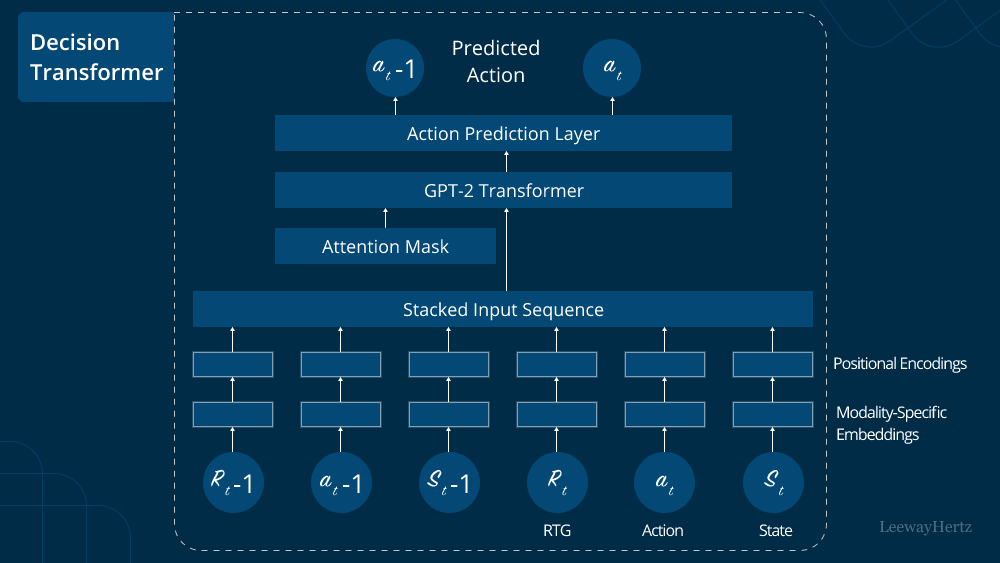





















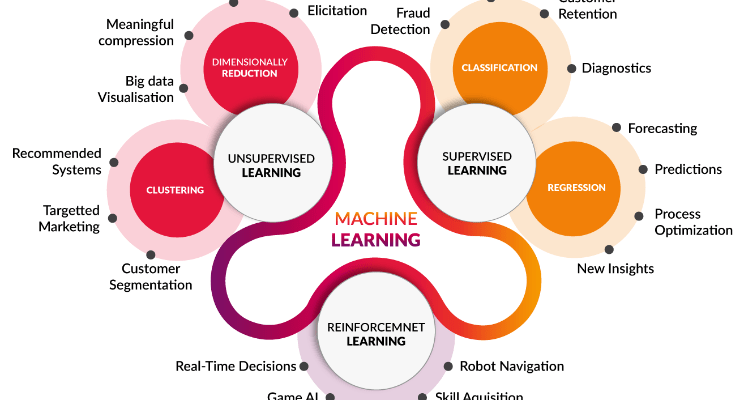
 Jasper's Tech world